Moculus: An immersive, stereoscopic virtual reality system for mice

We are proud to announce that Nature Methods, one of the world’s most prestigious life-science journals, has selected our article as one of the most significant studies of the year.
Publishing in Nature Methods represents the pinnacle of scientific achievement. The mission of NM is to support a wide range of innovative research methods for basic research across diverse fields of the biological sciences. Preparing studies that appear in this journal—and having them accepted by the editorial board—requires years of work.

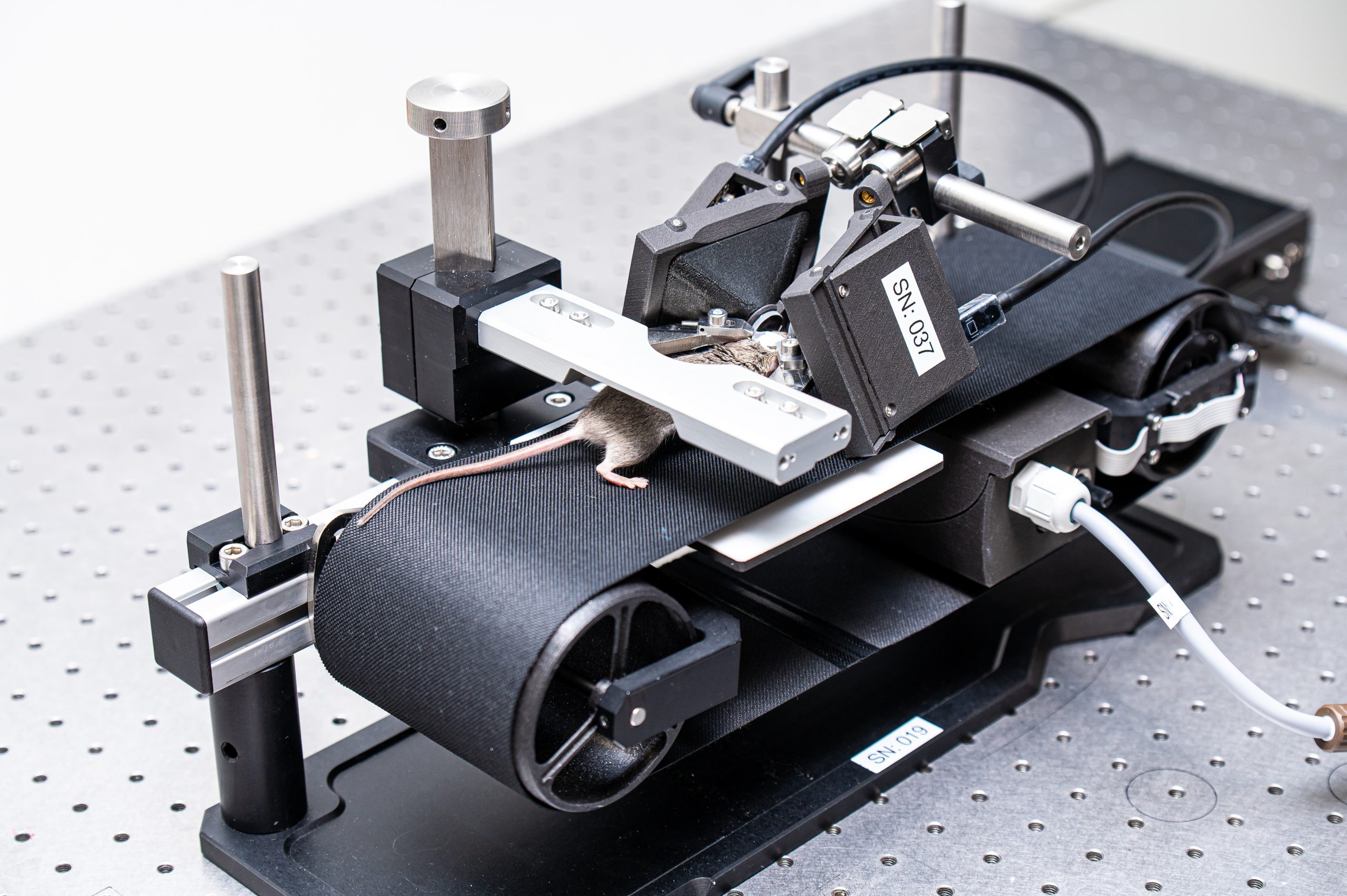
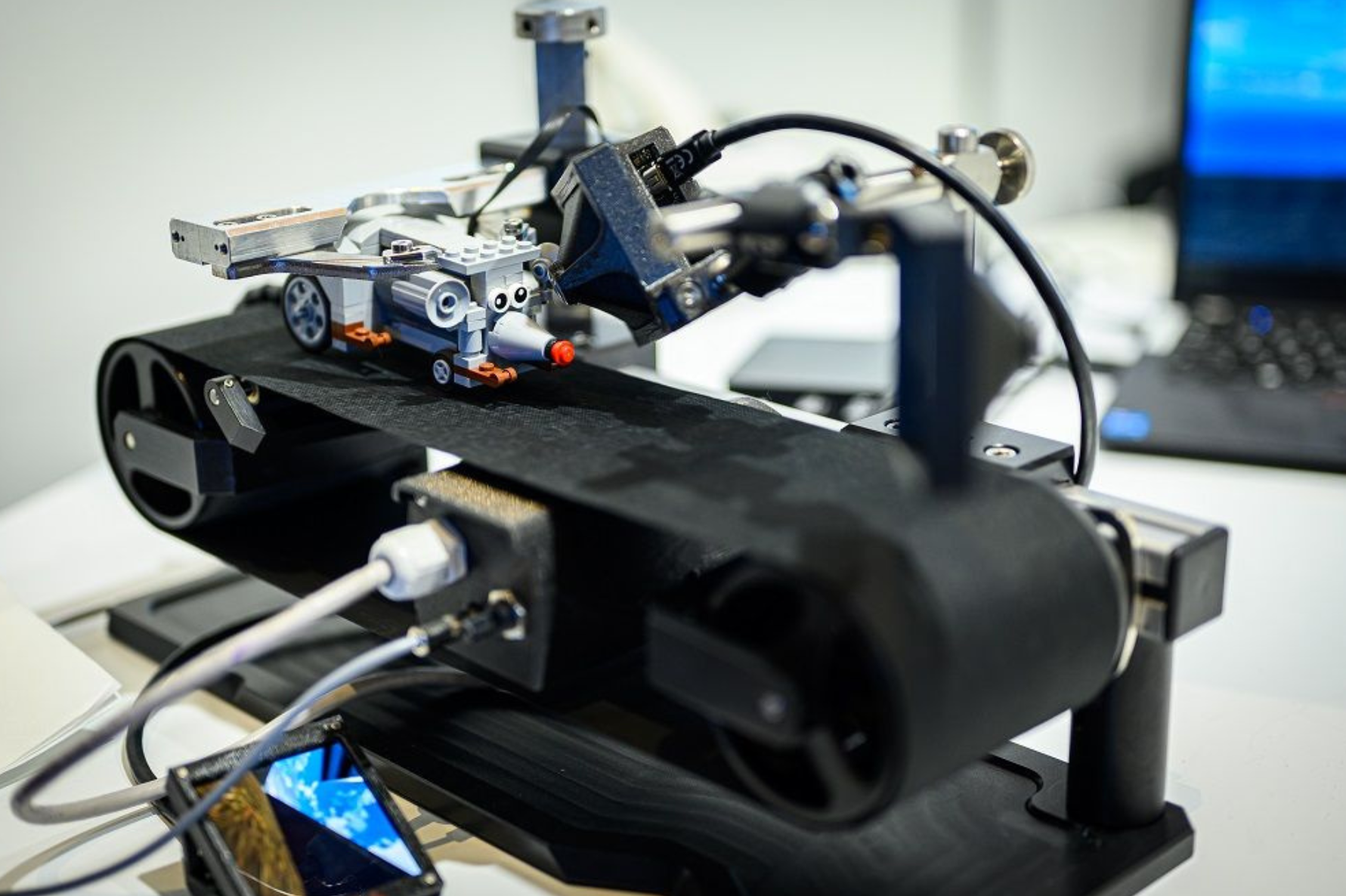
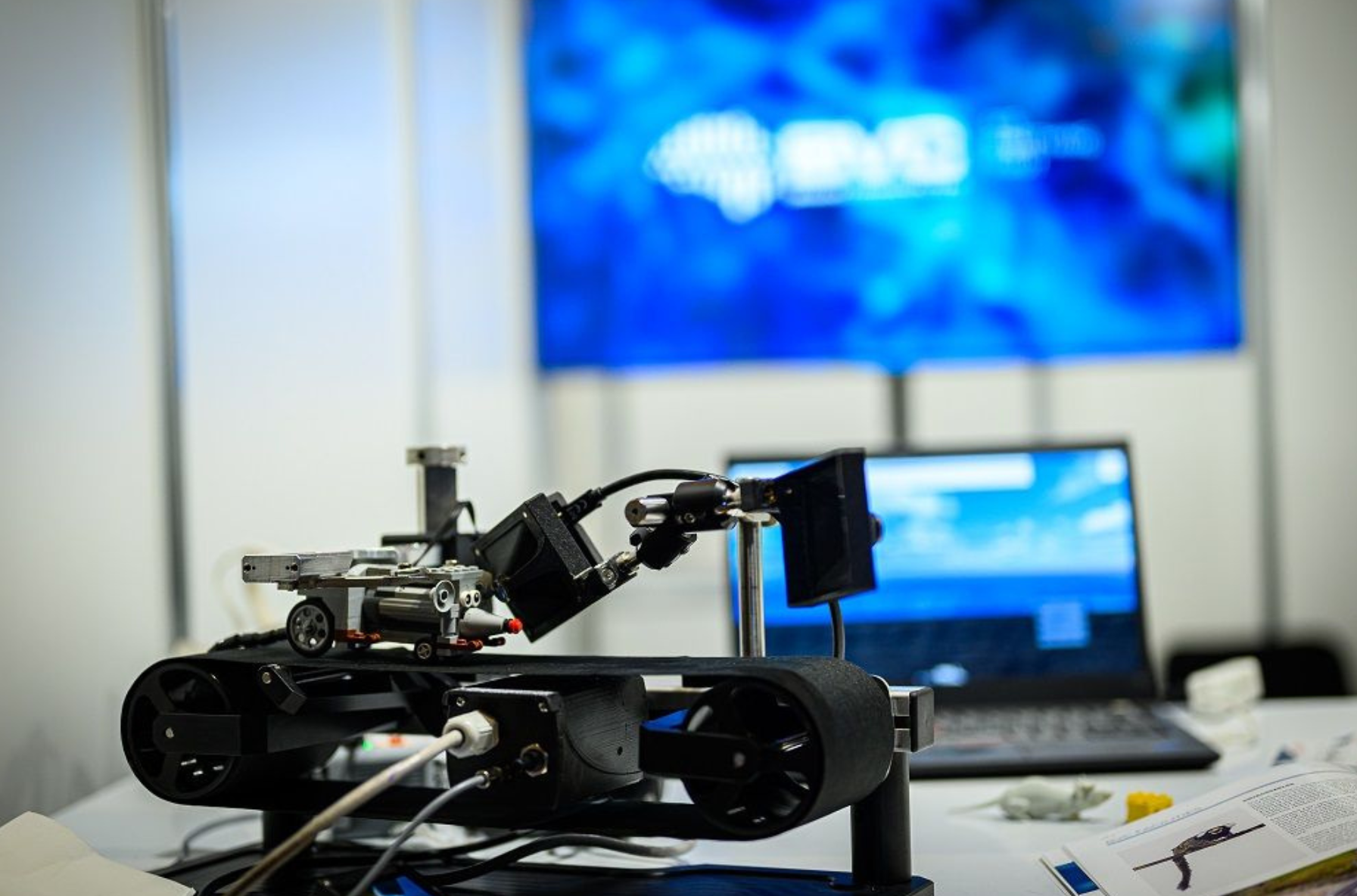
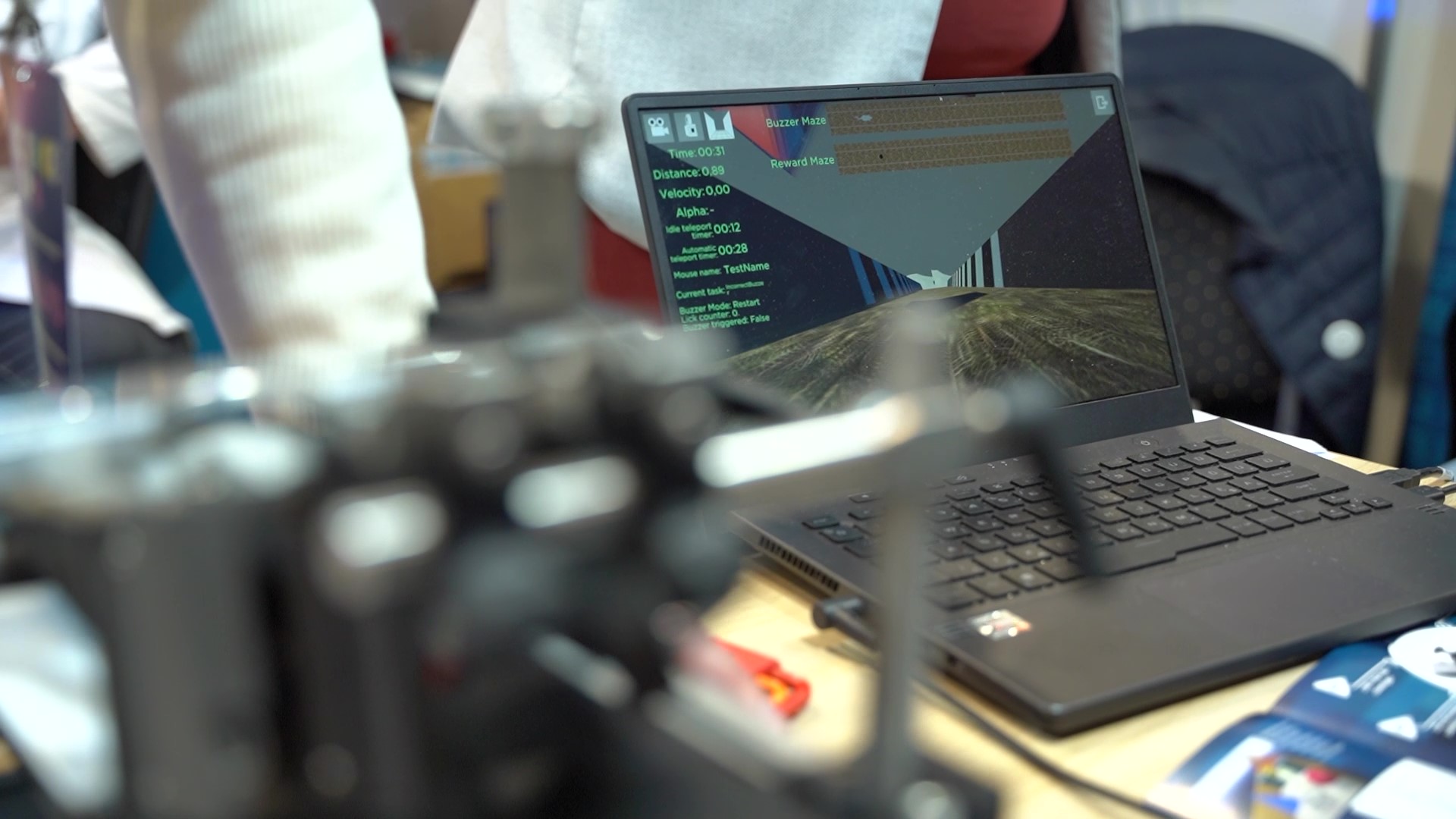
Regarding our paper presenting the Moculus device, the journal highlights the following: one approach to studying rodent behavior involves the use of virtual reality, in which animals explore a virtual environment while walking on a treadmill. Moculus creates a virtual environment for rodents that resembles the VR goggles used by humans.

The article has received 434 citations and achieved a 5-year impact factor of 49.

Click HERE for the full article.

Botond Roska and the BrainVision Center, working to cure blindness

A long article has appeared on Index about Botond Roska and Balázs Rózsa, as well as the BVC they founded. It discusses exciting isues, as vision restoration, the globally unique brain research taking place in our institute, and the revolutionary new equipment required for this work, which is used at Harvard, Yale, Oxford, and nearly 200 other top universities and research institutes around the world.
Go to the original article: https://index.hu/gazdasag/2025/11/17/roska-botond-vaksag-gyogyitas-latas-egeszsegugy-nobel-dij-palkovics-laszlo/

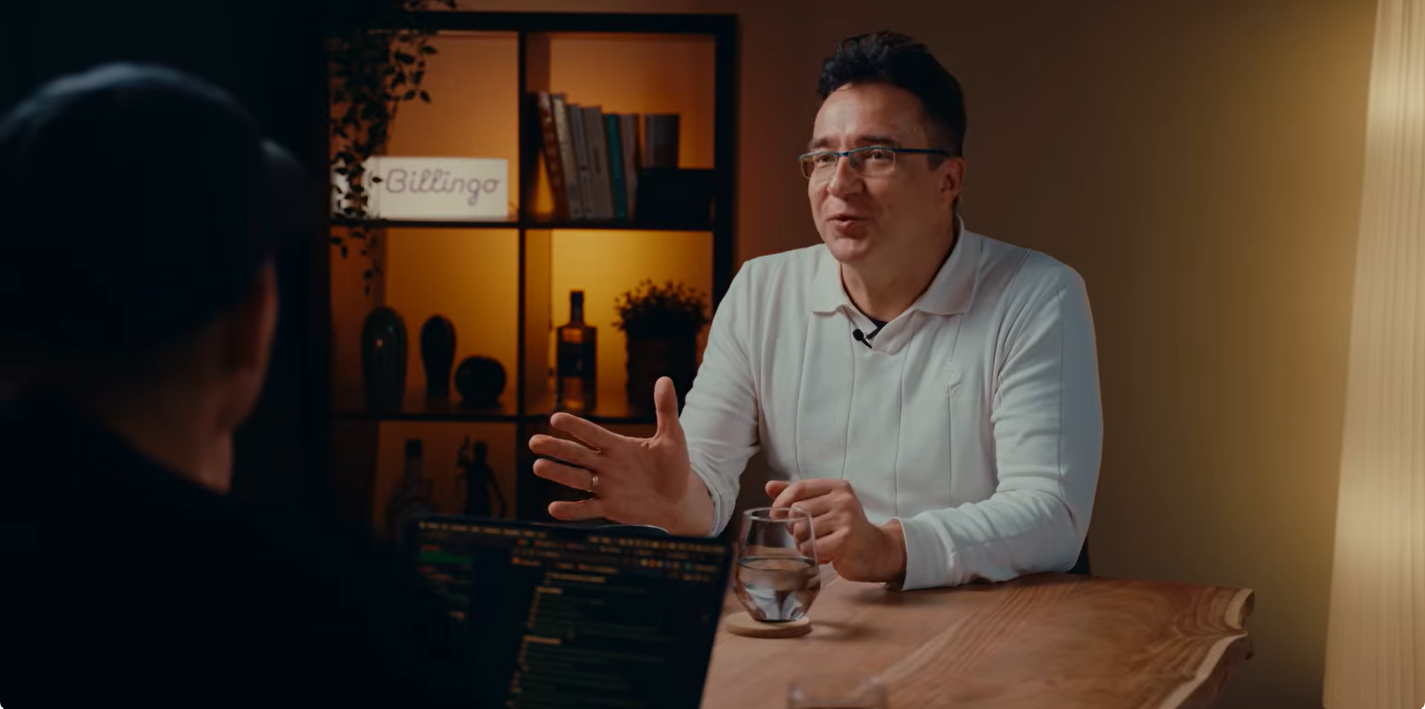
Forbes Deal Podcast – Balázs Rózsa on Research Leading to the Cure of Blindness

The Scientific Director of BrainVisionCenter was recently featured in a Forbes business magazine program, where he spoke about the institute’s launch, major scientific breakthroughs, and how these advancements could transform future therapies and medical treatments.

He highlighted that their new technology enables the simultaneous measurement of 3,500 times more cells than before, marking a revolutionary step in research on memory, behavior, and social interactions. This milestone is also crucial for better understanding neurological diseases such as Parkinson’s and epilepsy.

The director emphasized that a true picture of brain function can only be achieved with freely moving systems. This is the first technology that allows researchers to collect high-resolution, high-quality data while the subject is moving naturally.

What is the point of conducting research on mice if our aim is to understand humans?

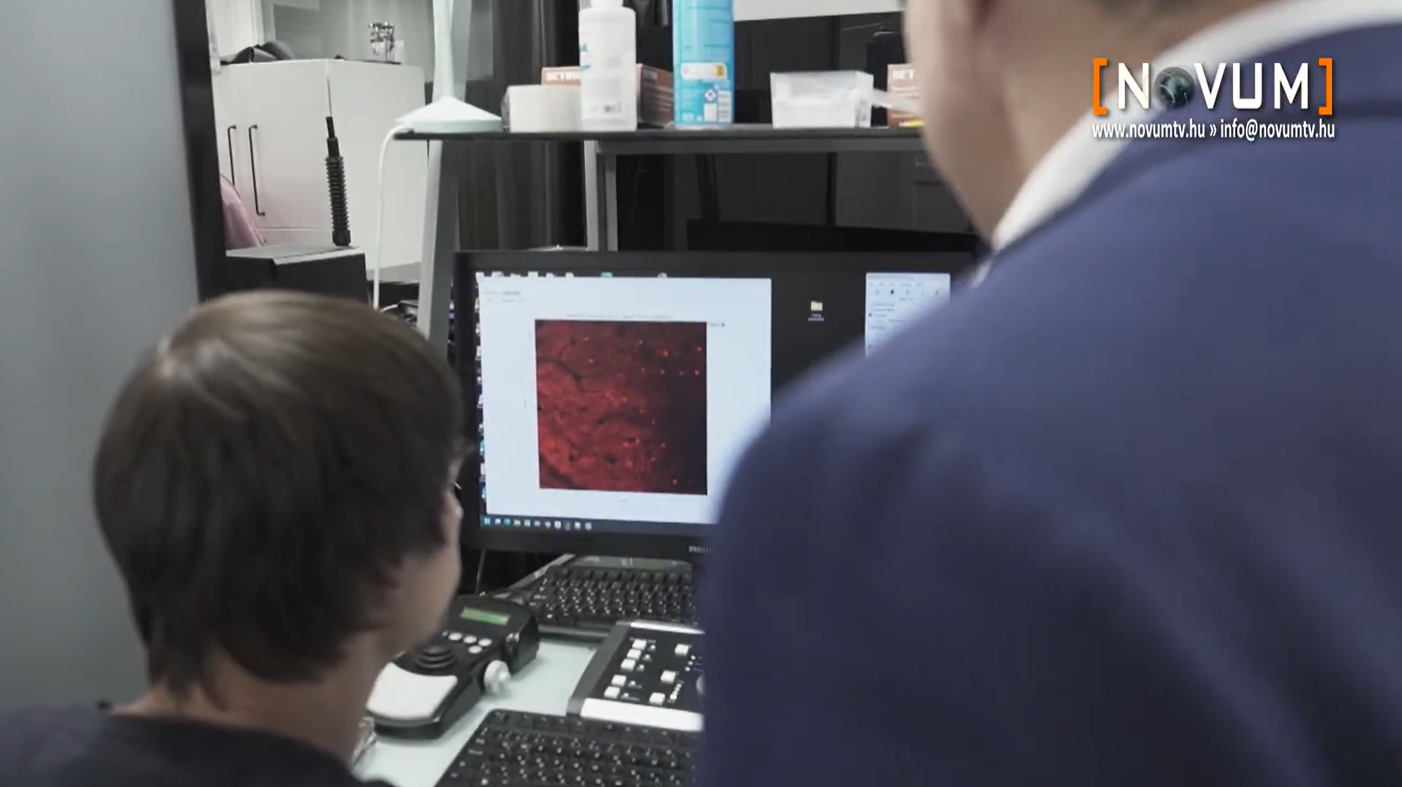
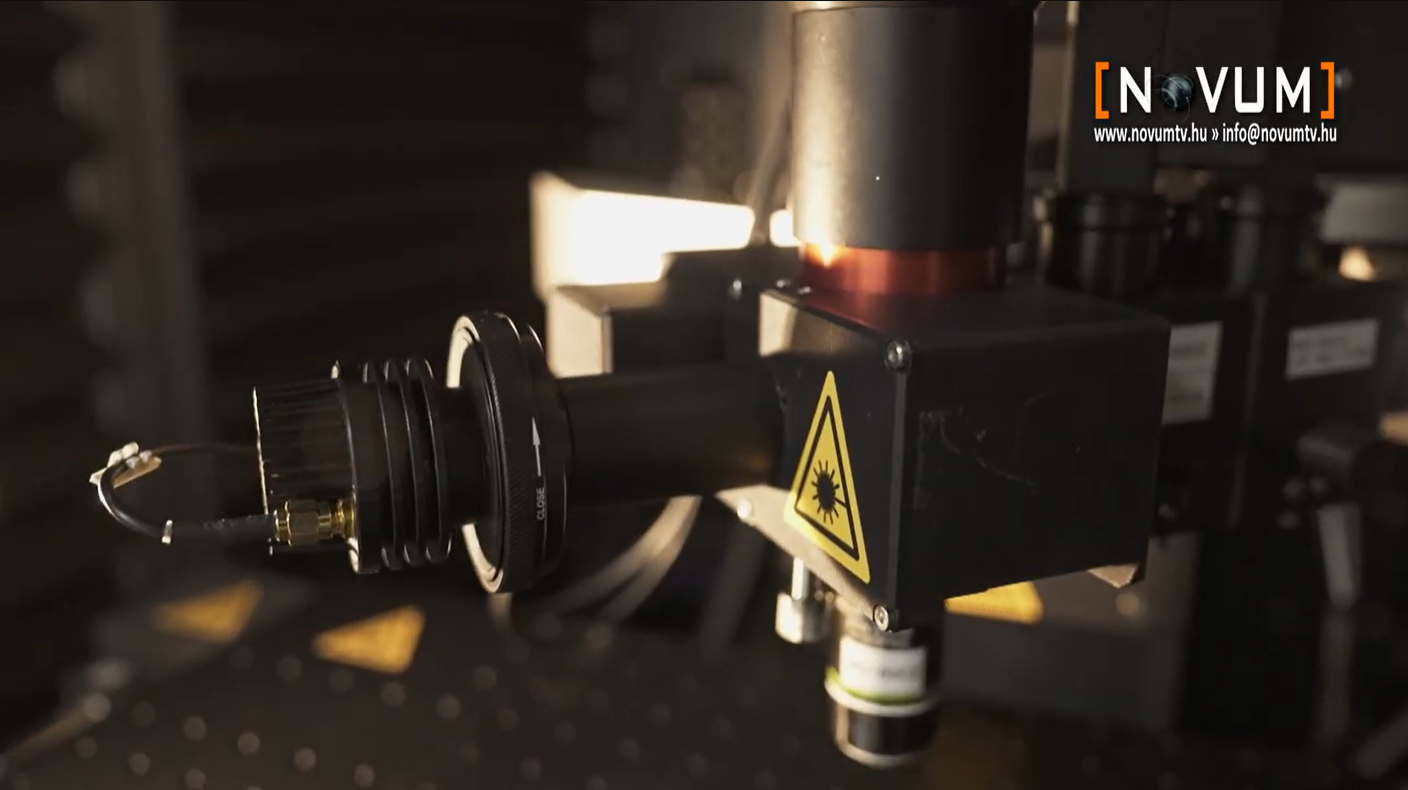
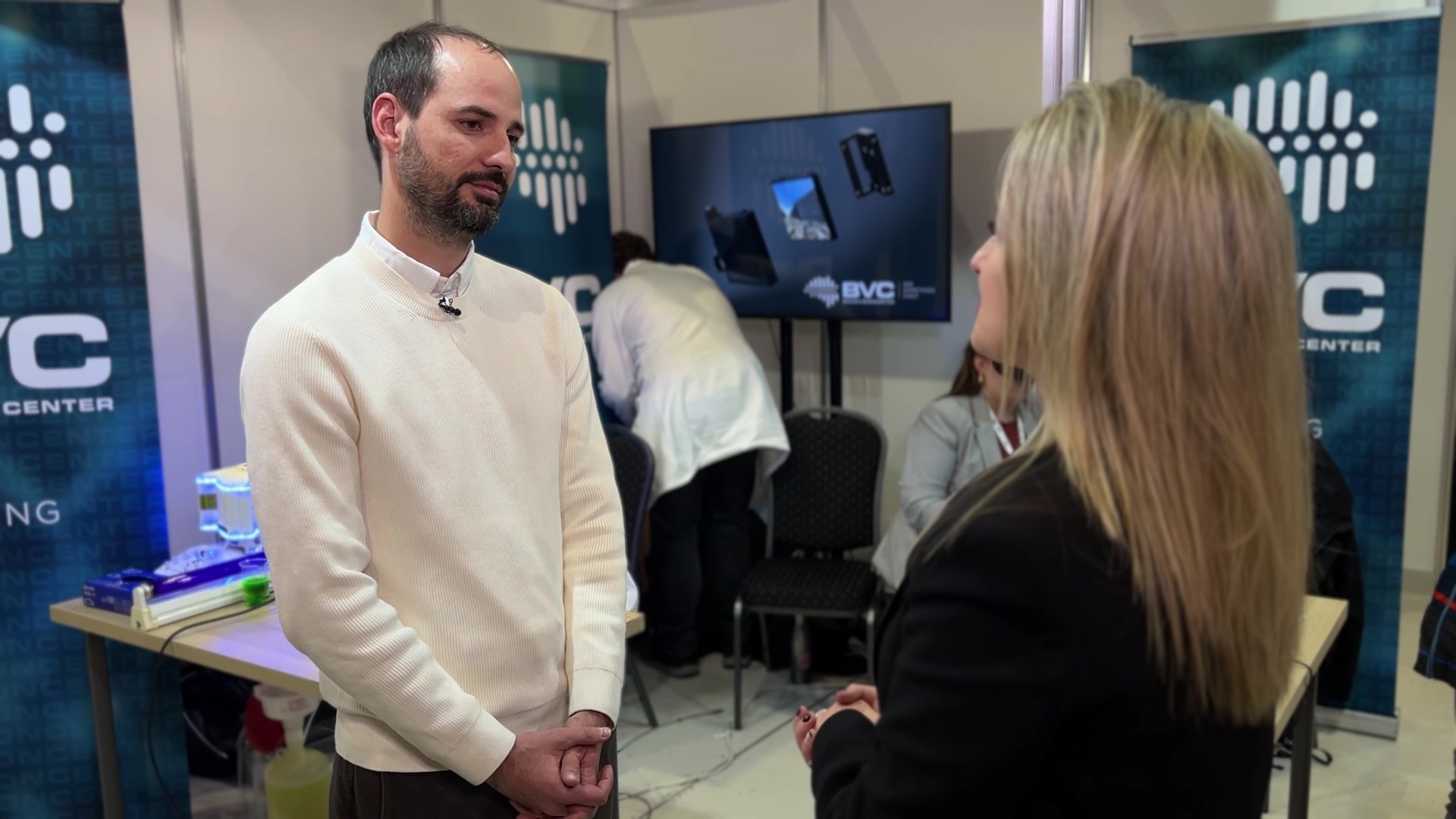
The cortical cells of mice function in ways that are surprisingly similar to those of humans — it is this similarity that we leverage in the research carried out at the Brain Vision Center Research Institute and Competence Center (BVC). In the Novum programme, which focuses on innovation, science and technology, we presented how our Moculus system supports a deeper understanding of human vision and contributes to the development of new therapeutic options for treating blindness.

Botond Roska Presented New Breakthrough in Vision Restoration

Botond Roska, Director of the Institute of Molecular and Clinical Ophthalmology in Basel and co-founder of the BrainVisionCenter in Budapest, gave a lecture at the Budapest University of Technology and Economics, where he serves as a Neumann János Professor. In his presentation titled Restoring Vision, he introduced a new therapeutic approach developed at his institute, which could mark a breakthrough in the treatment of visual impairments. Roska emphasized that the foundation of this therapy lies in basic research that revealed the retina is not merely a light sensor, but a “visual computer” in its own right. Before visual information reaches the brain, the retina processes it through over a hundred types of nerve cells, breaking it down into around 30 components.
Go to the original article: https://index.hu/techtud/2025/06/03/orvostudomany-latas-szem-roska-botond-genterapia-mitokondrium-bme-neumann-professzor/

The secrets of the brain are revealed in this episode of NewTechtalk, featuring Dr. Balázs Rózsa

In the latest episode of NewTechtalk – Science and Technology, Professor Dr. Balázs Rózsa, founder and director of the BrainVisionCenter Research Institute and Competence Center, shared his insights. During the interview, he discussed his personal and professional journey, explaining how his work at the intersection of neuroscience, medicine, and physics inspired him to establish his own research institute.

The discussion explored how knowledge from different scientific disciplines can be integrated in practice, the challenges presented by this interdisciplinary approach, and the scientific breakthroughs achieved by the institute thus far. A key focus was the restoration of vision, a field in which our neurophotonics technologies and brain imaging systems are opening up entirely new possibilities. The interview also highlighted the revolutionary potential of fast 3D two-photon imaging and the role of artificial intelligence and big data in scientific research. It explored how these tools may contribute to the development of new therapeutic options for conditions such as depression, dementia, and epilepsy.

Listen to the full episode: https://podcast.hu/podcast/newtechtalk/37617