Two of Our Young Researchers Earn PhD Degrees with “Summa Cum Laude” Distinction

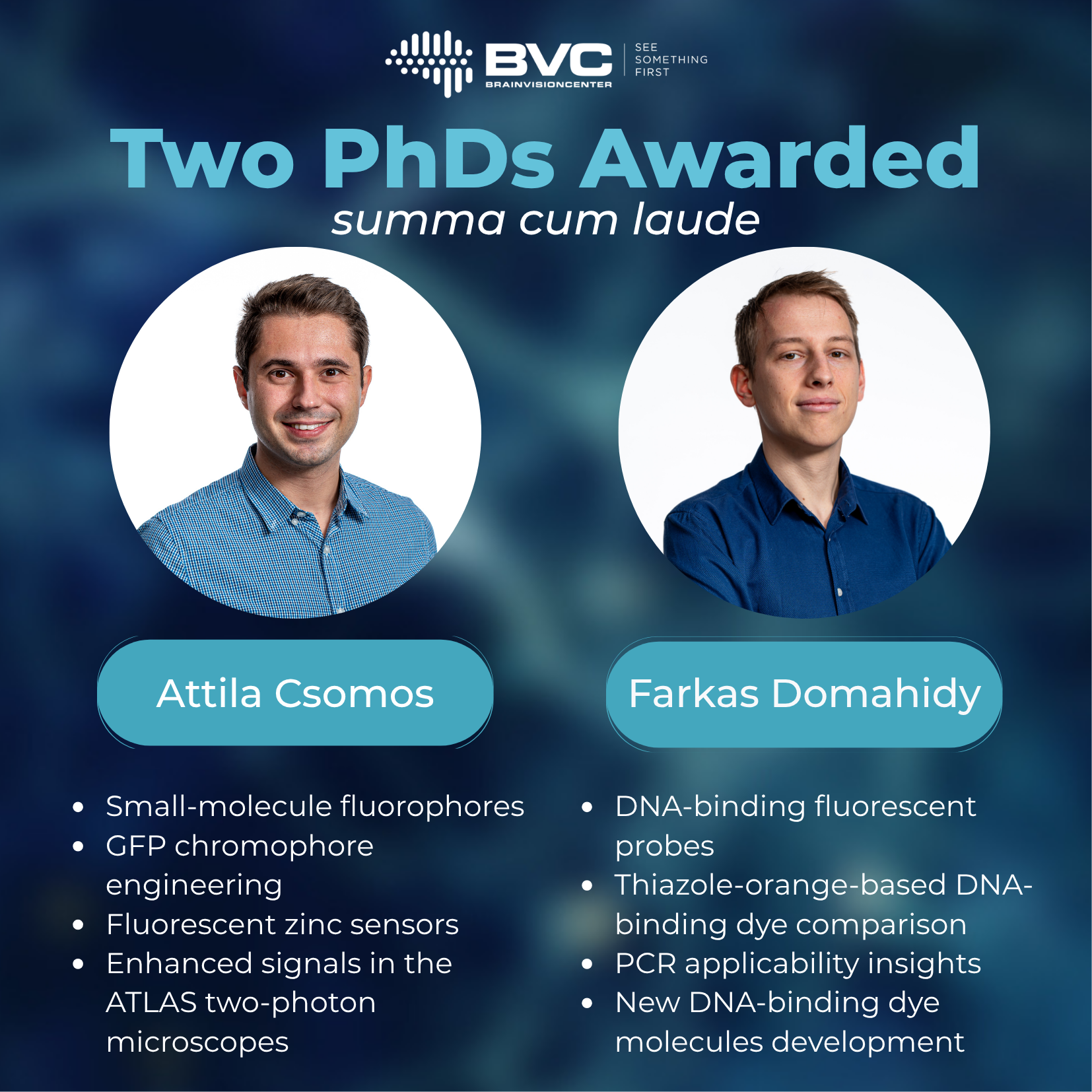
We are proud to announce that two of our young researcher colleagues, Attila Csomos and Farkas Domahidy, have recently obtained their PhD degrees. It is a particular pleasure that both were awarded the “summa cum laude” distinction by the Scientific Committee, reflecting their outstanding scientific achievements. 

Attila Csomos conducts research in the Chemical Development team at BrainVisionCenter, focusing on small-molecule fluorophores and functional probes for microscopy. His doctoral work explored the conformational locking of the chromophore of the Green Fluorescent Protein (GFP), with the aim of enabling its application in small-molecule form for fluorescence imaging. His research resulted in the development of a novel family of fluorescent zinc sensors, as well as two new heteroaromatic fluorophore scaffolds. These advances open new possibilities in neuroscience research by providing stronger fluorescence signals, particularly when used with the ATLAS two-photon microscopes developed at BVC. 

Farkas Domahidy, a chemical engineer, focuses his research on DNA-binding fluorescent probes. His PhD work investigated the relationship between molecular structure and fluorescence behavior, with particular emphasis on thiazole orange derivatives. A key outcome of his research is a comprehensive study that, for the first time, systematically compares the fluorescence enhancement and PCR applicability of the most widely used thiazole-orange-based DNA-binding dyes. This work enables a more informed selection of dye compounds for PCR-based applications. In addition, his research includes the development of new DNA-binding dye molecules and the investigation of their fluorescence enhancement mechanisms. 

The achievements of our colleagues highlight not only their individual excellence but also the strength of BrainVisionCenter’s interdisciplinary research environment, where chemistry, biology, and advanced imaging technologies come together to drive new scientific discoveries. 

We warmly congratulate Attila and Farkas on their outstanding accomplishments and wish them continued success in their scientific careers. 
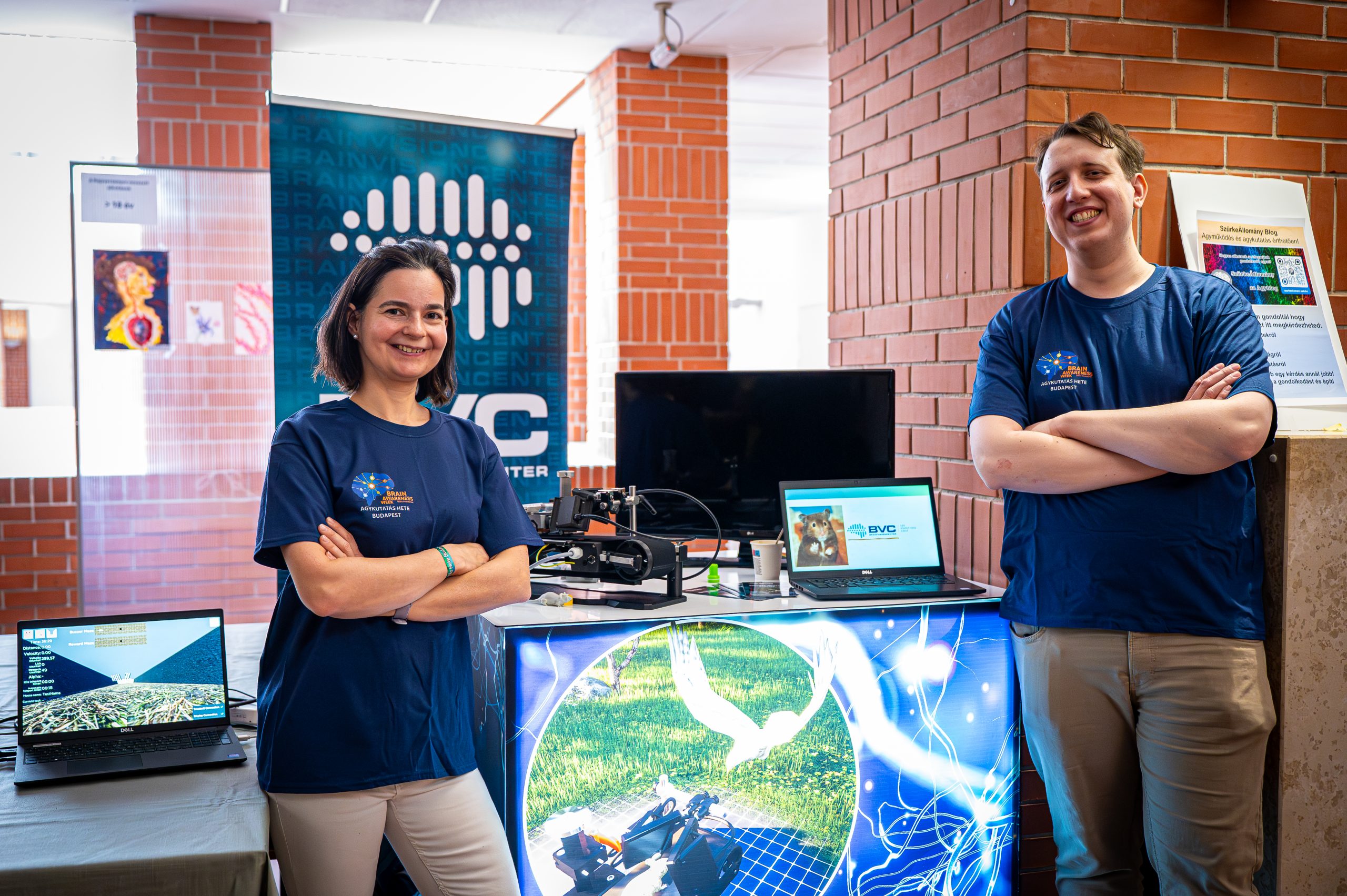
BrainVisionCenter at Brain Awareness Week at ELTE

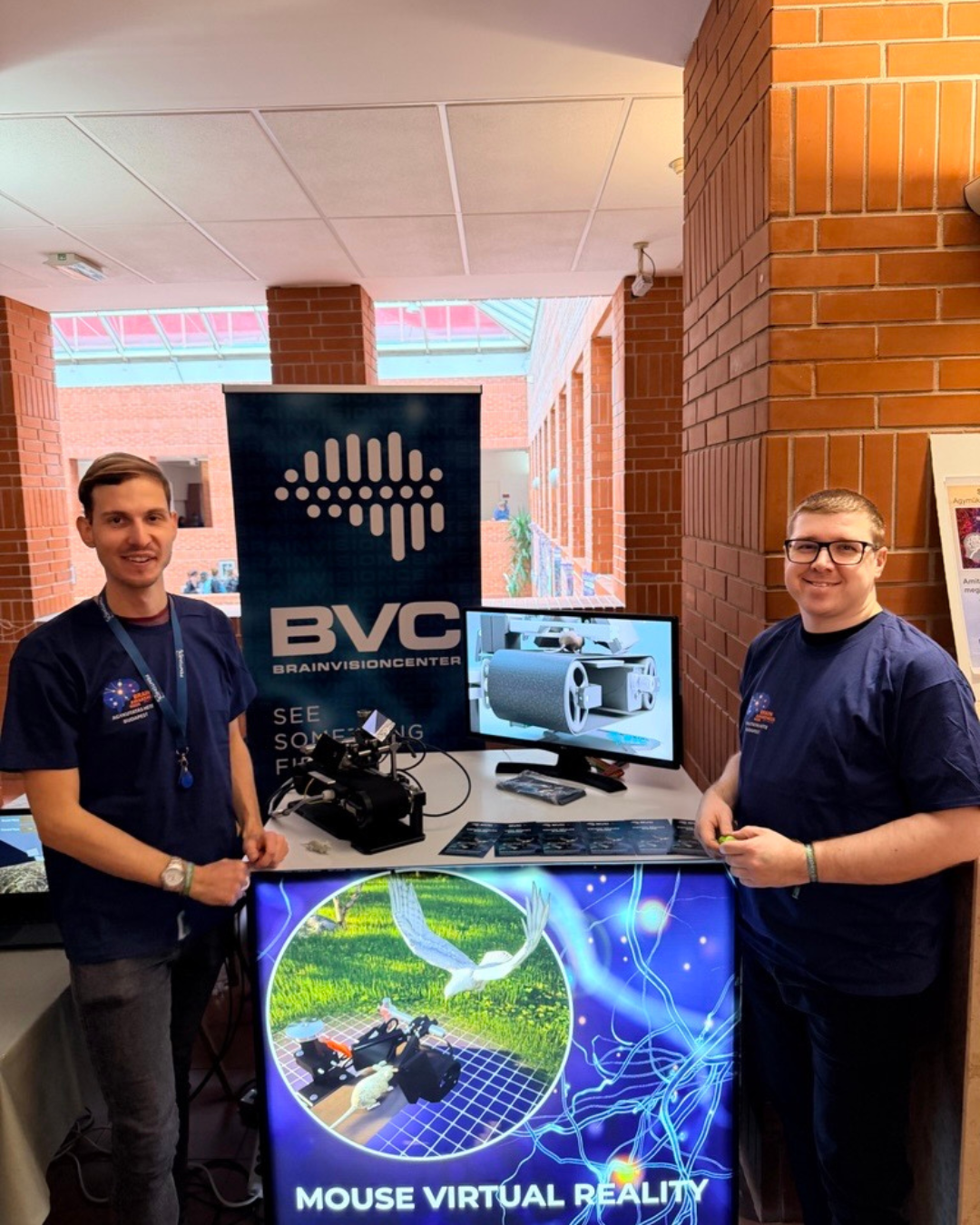
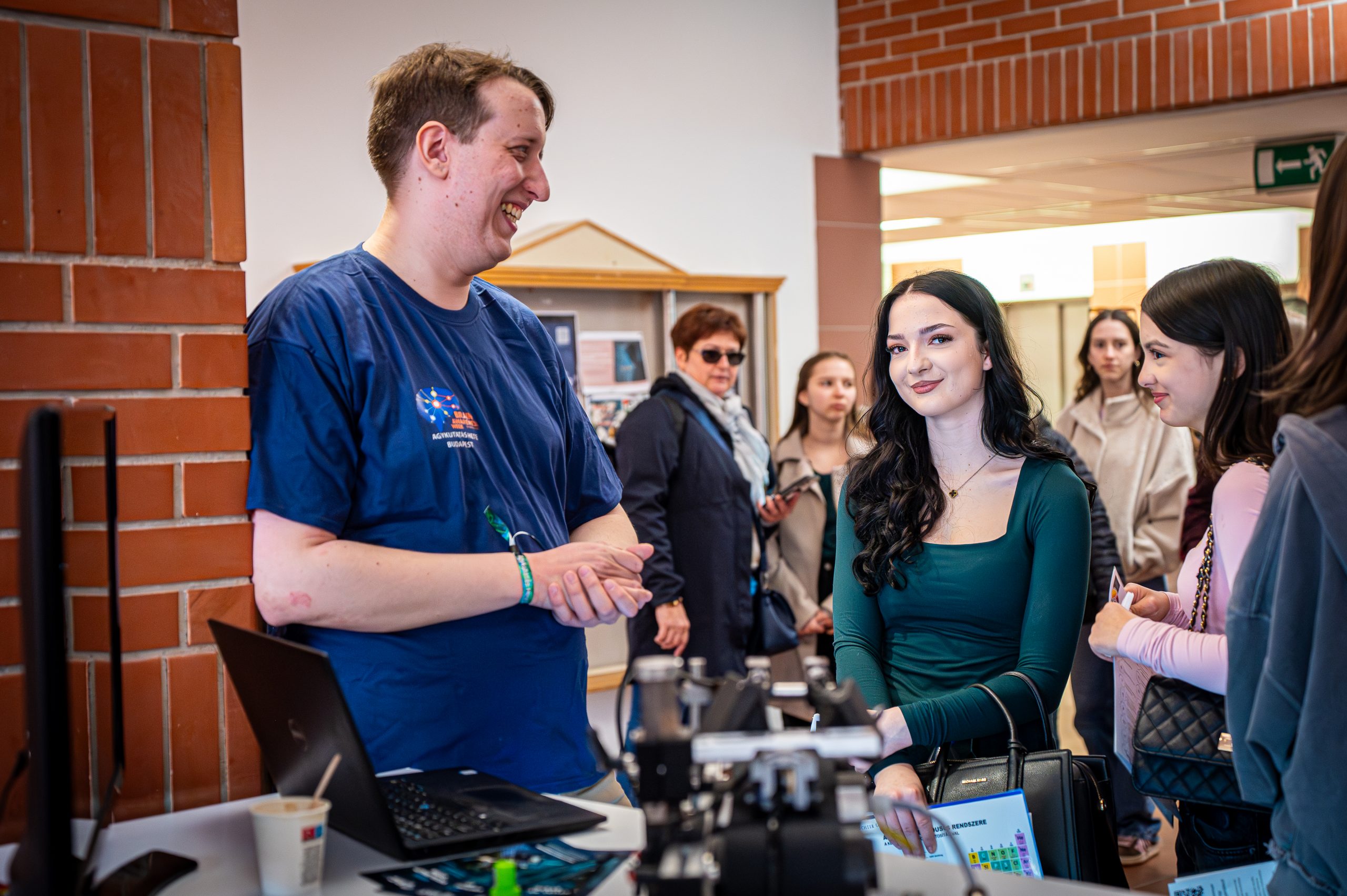
Researchers at the BrainVisionCenter participated in the Brain Awareness Week event series hosted at Eötvös Loránd University (ELTE), where they showcased their work to hundreds of interested students and offered a glimpse into the world of neuroscience. 

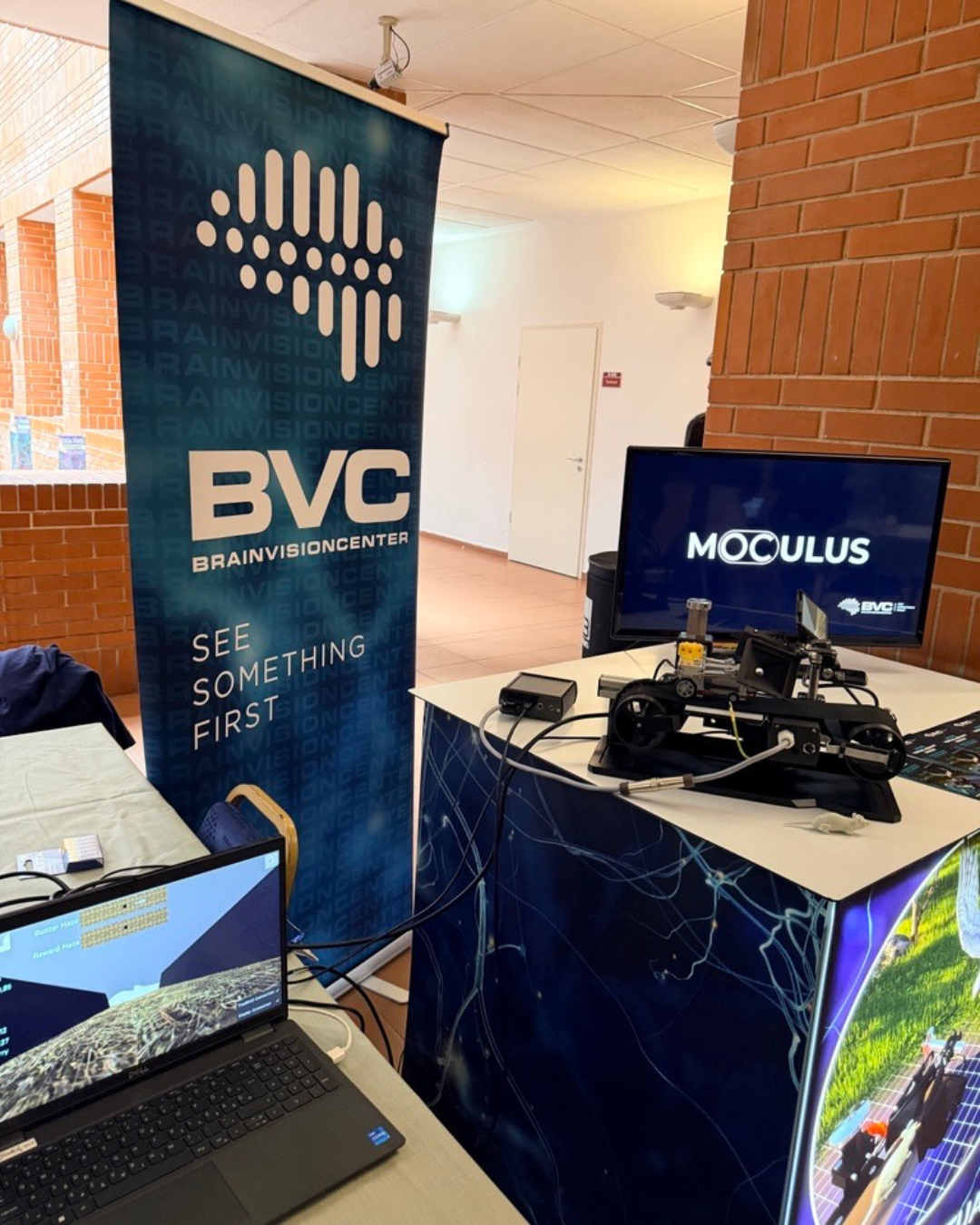
Our researchers are no strangers to education or to introducing the next generation to the mysteries of scientific life-especially when they can do so through engaging and interactive demonstrations. During the event, visitors explored key concepts of brain research using a LEGO mouse model, alongside our world-first device, Moculus. 

The Moculus is the result of a collaboration between the BrainVisionCenter and the HUN-REN Institute of Experimental Medicine (HUN-REN KOKI). This virtual reality (VR) headset, specifically optimized for mice, opens up entirely new perspectives in the study of brain function, particularly in visual and sensory processing. 

By using Moculus, our researchers contribute to advances in restoring vision, as well as to improving the diagnosis and future treatment of central nervous system disorders. 

The event provided an excellent opportunity to bring science closer to the younger generation and to demonstrate how curiosity can evolve into a career in research. 


Young Talents at Our Research Institute

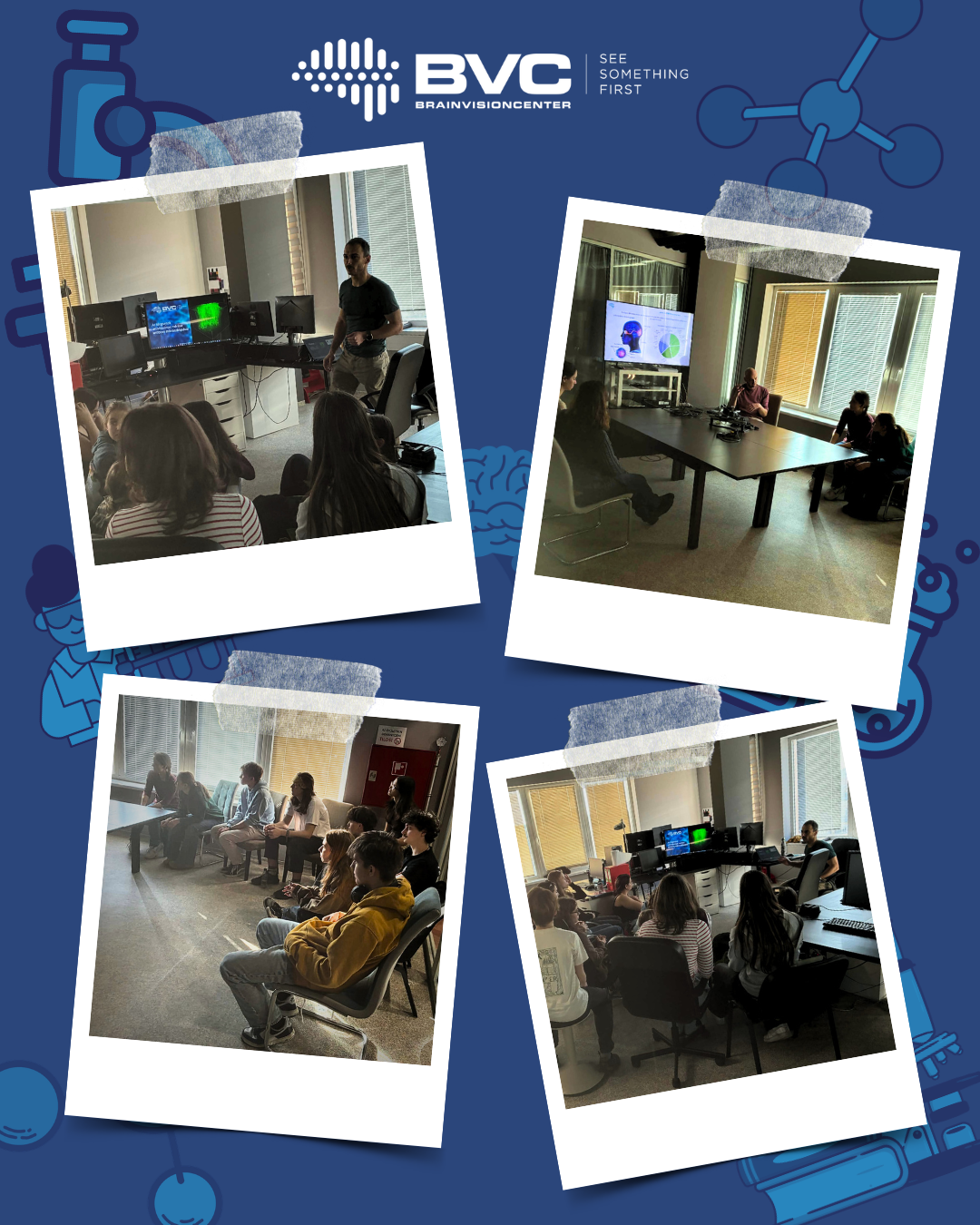
It is always a special pleasure for us to welcome young, talented students to our Research Institute and give them a glimpse into the world of science.  

Recently, students from Eötvös High School in Budapest visited us; they were given this opportunity in recognition of their outstanding results in the János Irinyi National Chemistry Competition. During the visit, they were able to experience firsthand how research work is conducted in practice and the environment in which the latest scientific findings are generated.  

The program not only provided a glimpse into everyday laboratory life but also served as a source of inspiration for the participants:  

“It was fascinating to see a functioning lab, especially one dedicated to brain research. Thanks to this, I can better imagine what a researcher’s daily life looks like.”  

“It was great to visit such a high-level research facility, get a glimpse of the working conditions, and see how well-equipped a laboratory in Hungary can be. I would have happily spent more time there.”  

“Overall, this program inspired me to consider pursuing research in chemistry in the future. I would definitely recommend this opportunity to anyone who asks!” 

We believe that opportunities like these help bring the next generation even closer to science-and perhaps the researchers of the future are being born right now. 

BrainVisionCenter researcher gives lecture to high school students about neuroscience

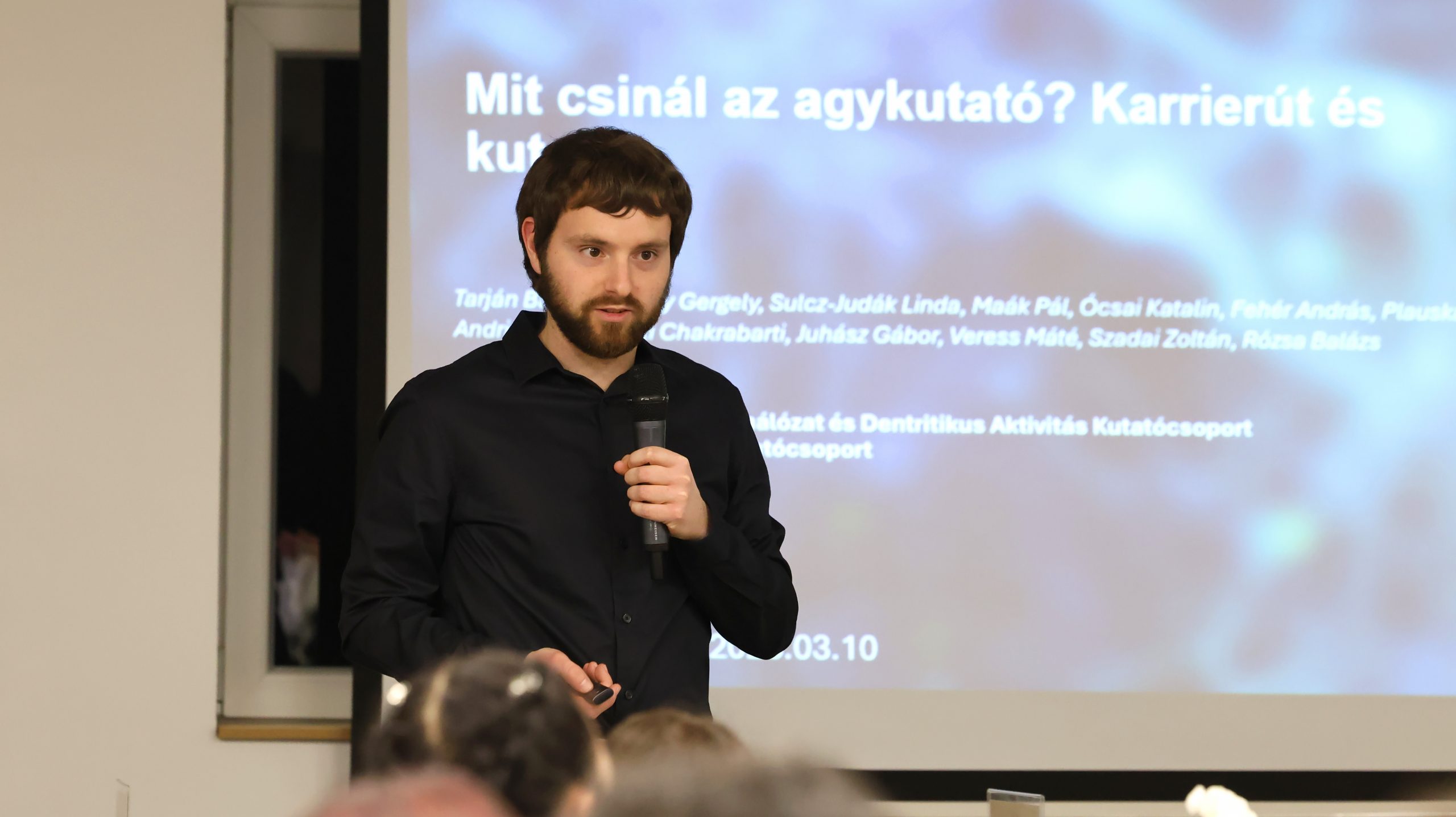
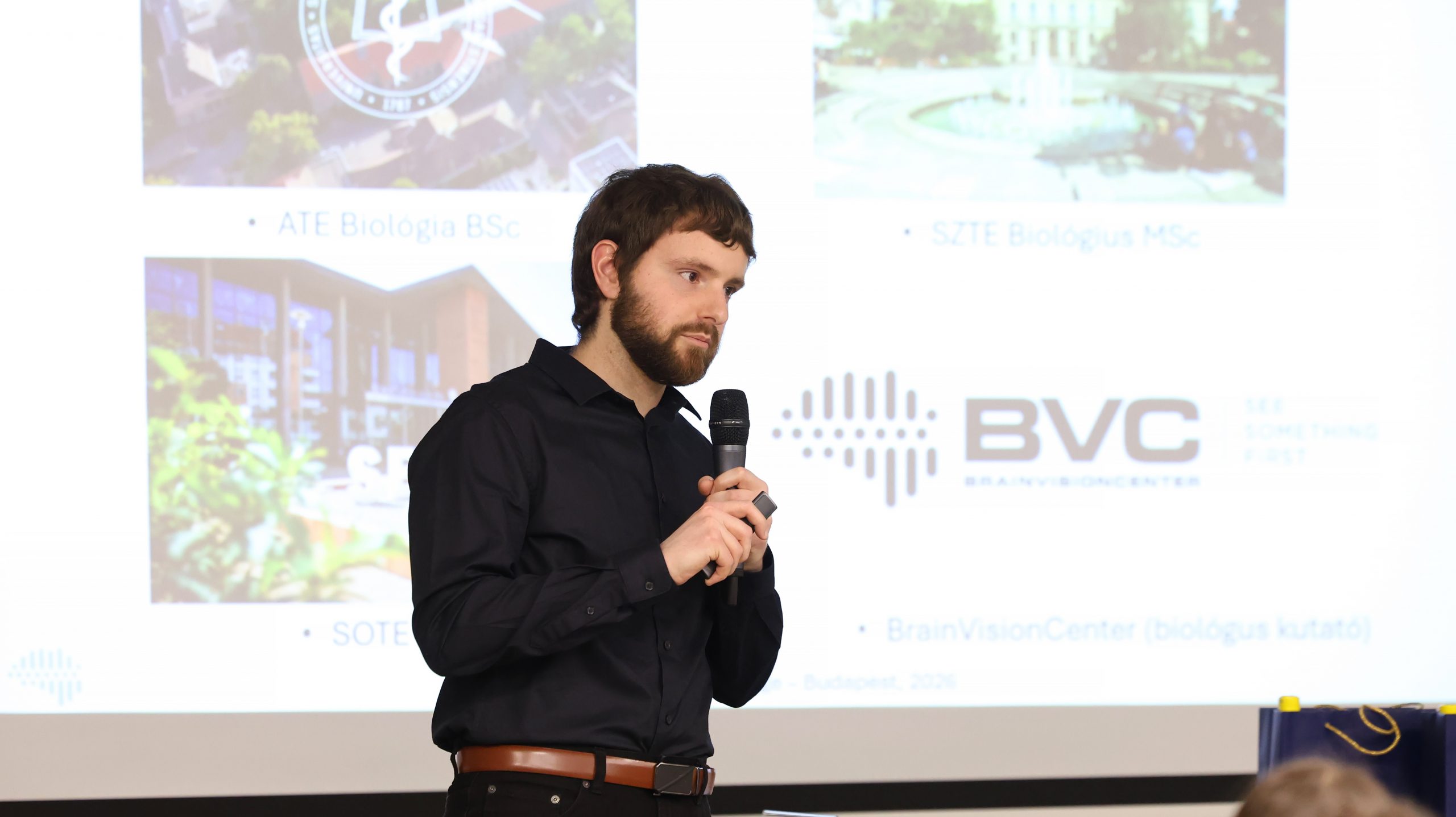
Balázs Tarján, biologist researcher at our institute, recently gave a lecture at Óbuda University for science-oriented secondary school students from Budapest and Hungarian communities beyond the border.
In his talk titled “What Does a Neuroscientist Do?”, he introduced the everyday work of a researcher – from conducting animal experiments and reading and writing scientific articles to giving lectures and preparing research grant proposals.
The students showed great interest and asked several questions, particularly about the research conducted at BrainVisionCenter aimed at restoring vision.

Balázs Rózsa was a guest of the American Chamber of Commerce’s Healthcare Committee

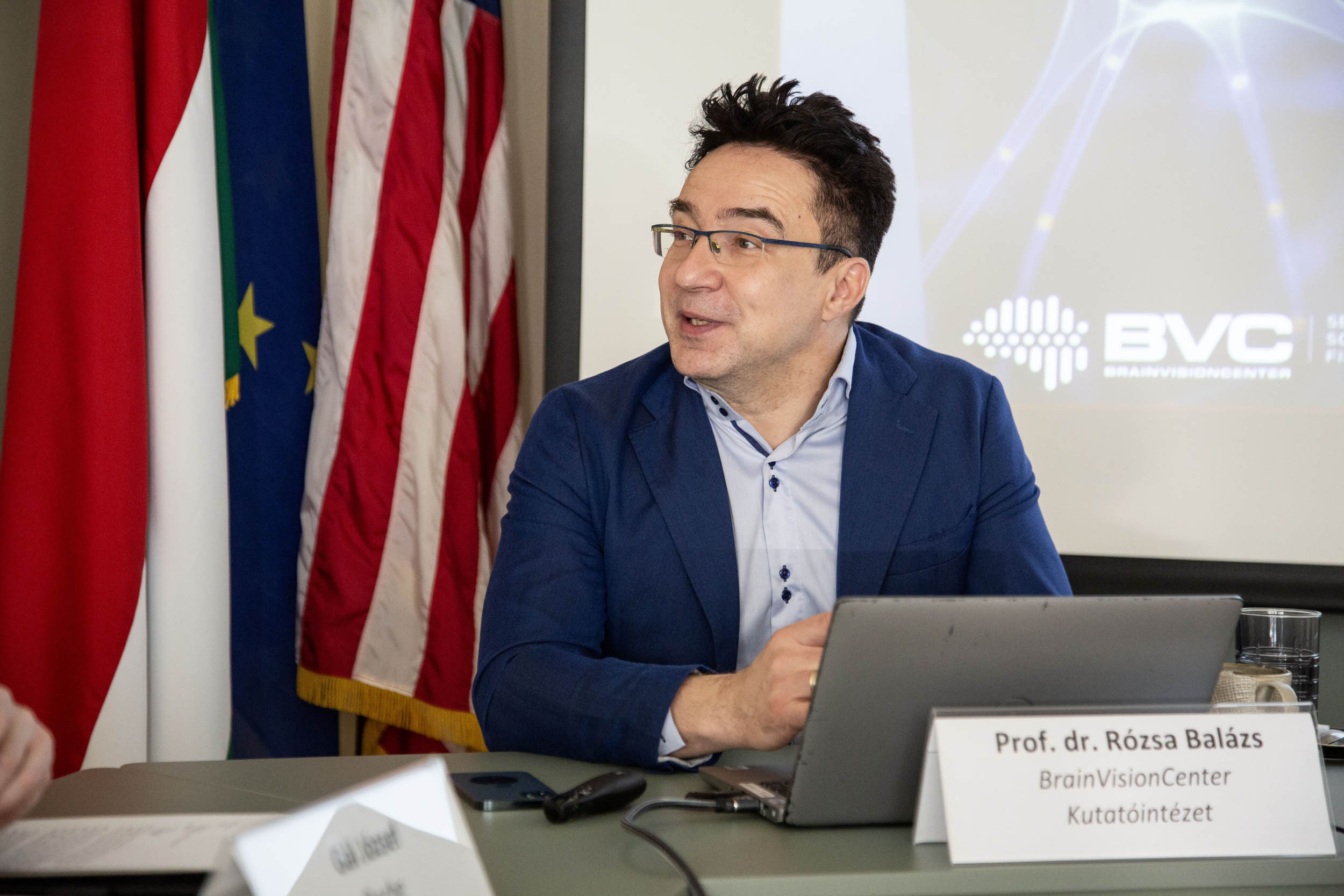
It was a great honor for us that the American Chamber of Commerce (AmCham)’s Healthcare Committee invited our company’s Scientific Director, Balázs Rózsa, to a professional discussion.

The committee members, who represent leading figures in the pharmaceutical industry, the medical technology sector, and private healthcare providers, listened to his presentation with great interest. During the discussion, Balázs provided insight into his professional career, his personal motivations, and the background and vision behind the founding of BrainVisionCenter.

The event showcased BrainVisionCenter’s pioneering technological solutions and equipment, which are opening up new horizons in neuroscience research and therapeutic development. Particular emphasis was placed on the areas of application where our work is already having a significant impact, including:

  • vision restoration
  • epilepsy treatment
  • Alzheimer’s disease research

During the professional discussion that followed the presentation, the potential for collaboration in pharmaceutical research was also discussed. The participants’ active interest clearly demonstrated the growing demand for innovative, multidisciplinary approaches capable of accelerating translational research. The significance of interdisciplinary research was a key theme in the responses to the questions. The projects underway at the BrainVisionCenter are based on the close integration of medicine, neurophotonics, artificial intelligence, and advanced technological solutions, enabling the development of new diagnostic and therapeutic approaches.

Thank you for the invitation and the opportunity for this valuable professional exchange.

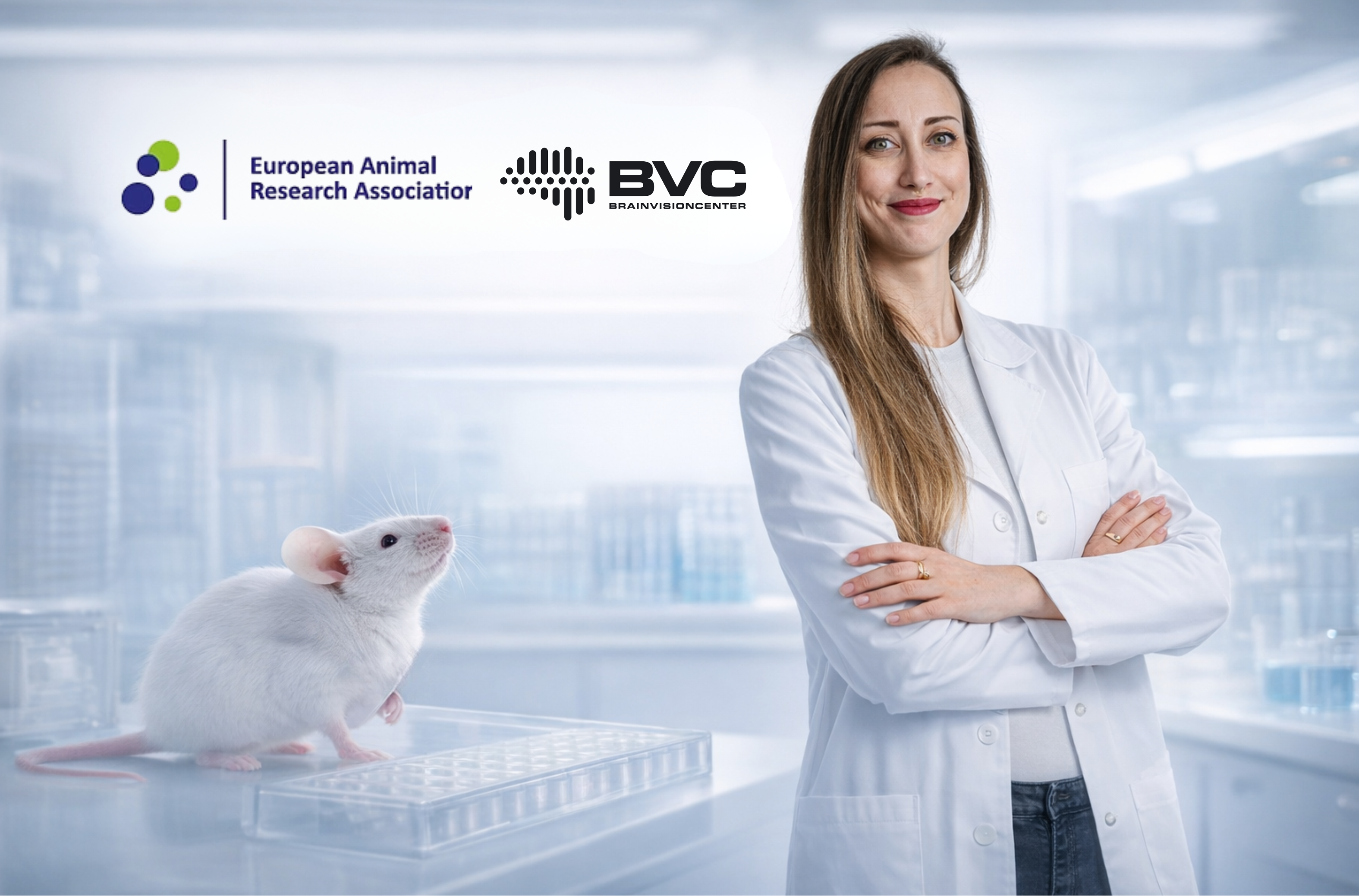
We’ve joined the European Animal Research Association (EARA)

We are pleased to announce that BVC has become the fourth organization in Hungary to join the European Animal Research Association (EARA), an international professional community, represents credible, evidence-based, and transparent communication working with animals in scientific research across Europe.

EARA brings together more than 200 member organizations and actively supports responsible professional dialogue, as well as accurate information for decision-makers and the public.

This membership is a natural step for BVC: compliance with legal and ethical standards, along with open and responsible communication, has always been a core principle of our Institute’s operations.

We are particularly proud that Dr. Fedor Flóra Zsófia, Head of our Animal Protection Department, participates in the organization’s work as BVC’s official representative, and also serves as an editor of EARA Hungary’s X (formerly Twitter) platform.

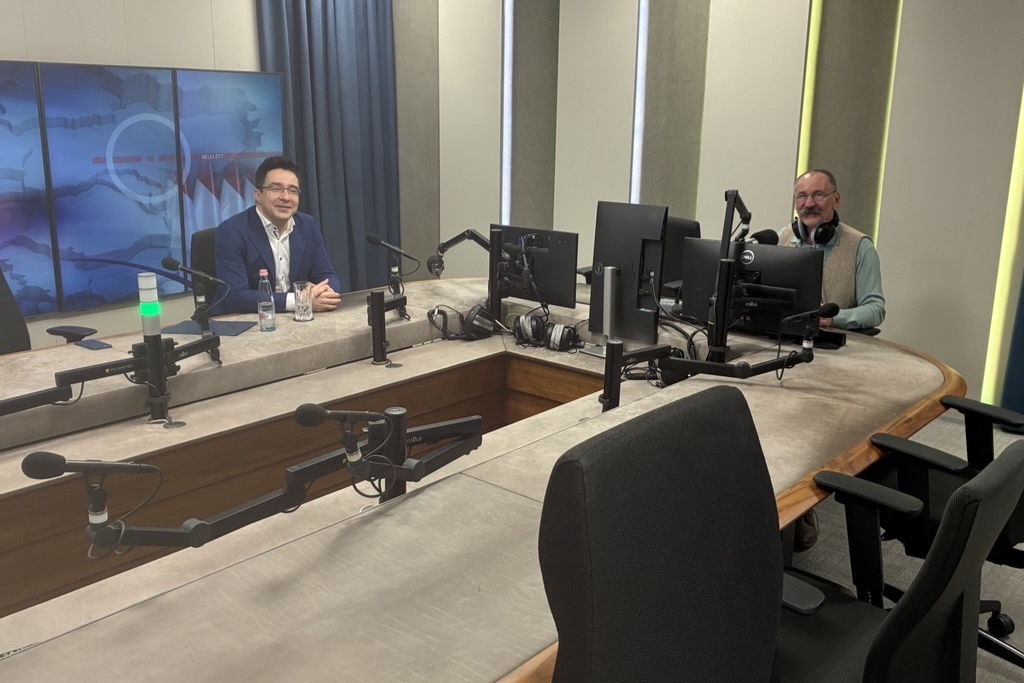
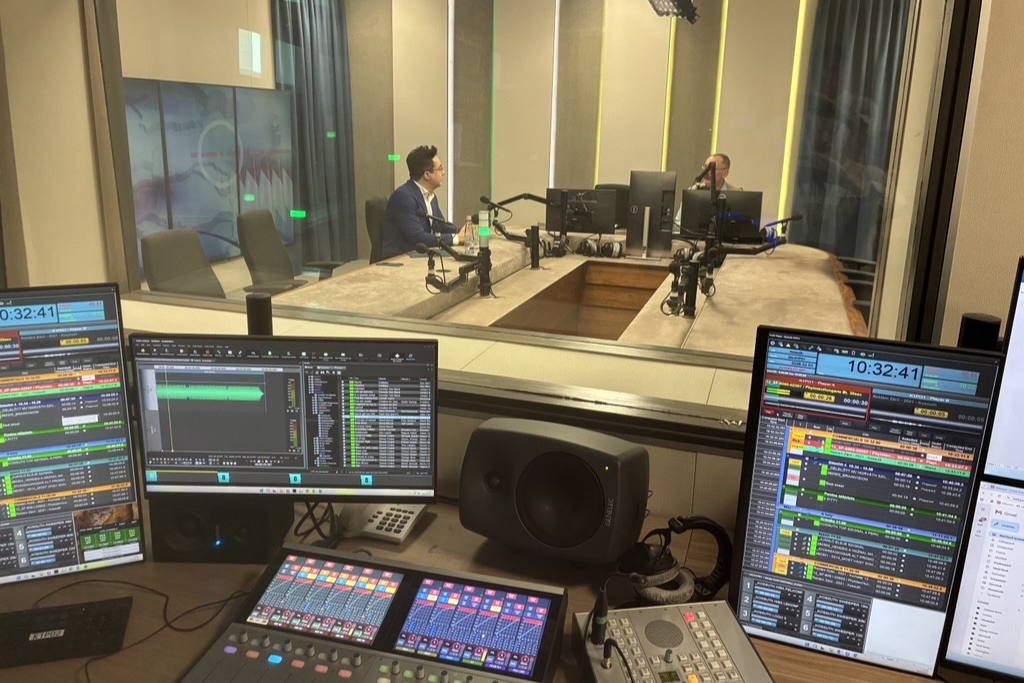
Balázs Rózsa spoke on Kossuth Radio about the latest breakthroughs in brain research.

How can young researchers be encouraged to return home?
What scientific breakthroughs has our institute achieved at the intersection of medicine, physics, and mathematics?
Which of our technologies are capable of “reading” the activity of brain cells in real time?
What connects BrainVisionCenter with research collaborations involving Harvard, Yale, Princeton, MIT, and universities in Shanghai and Hong Kong?
And what exactly is a “brain pacemaker”?

These and many other fascinating scientific questions were addressed by Balázs Rózsa, Scientific Director of our institute, in the Délelőtt program on Kossuth Radio in hungarian. language.

The interview can be listened to by clicking HERE. Balázs Rózsa’s segment can be heard between 01:26:12 and 01:51:24.