Moculus: An immersive, stereoscopic virtual reality system for mice

We are proud to announce that Nature Methods, one of the world’s most prestigious life-science journals, has selected our article as one of the most significant studies of the year.
Publishing in Nature Methods represents the pinnacle of scientific achievement. The mission of NM is to support a wide range of innovative research methods for basic research across diverse fields of the biological sciences. Preparing studies that appear in this journal—and having them accepted by the editorial board—requires years of work.

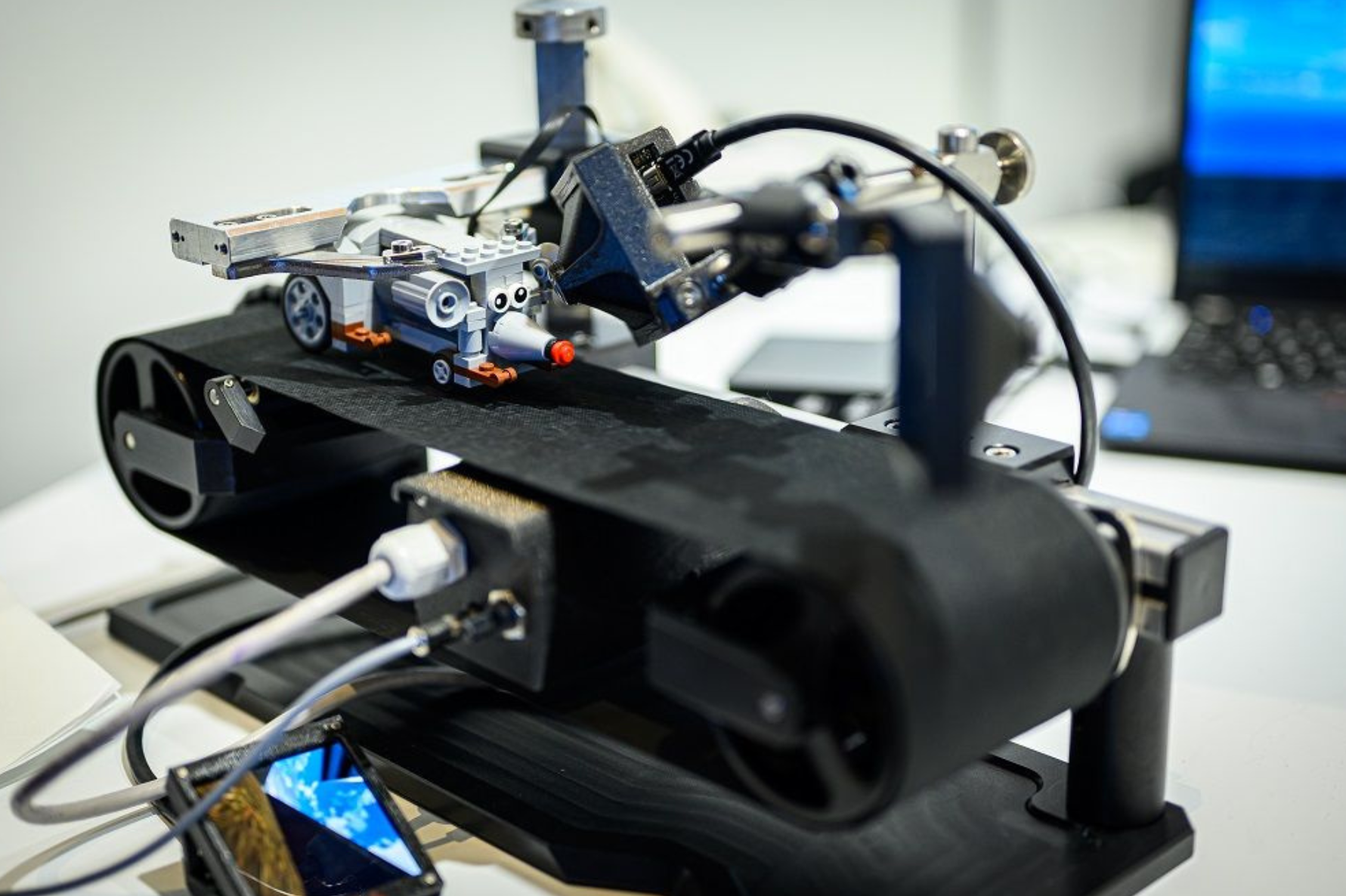
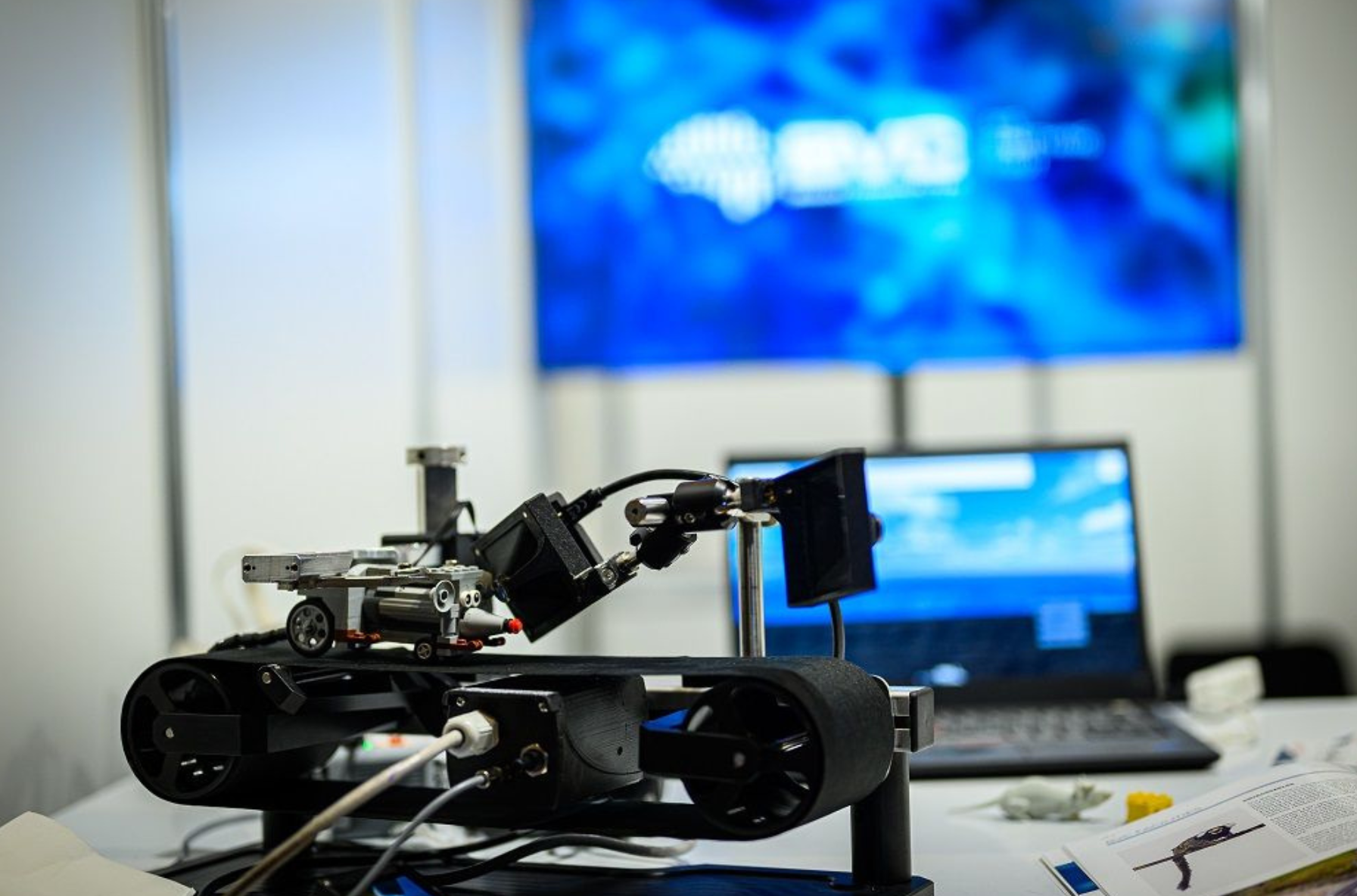
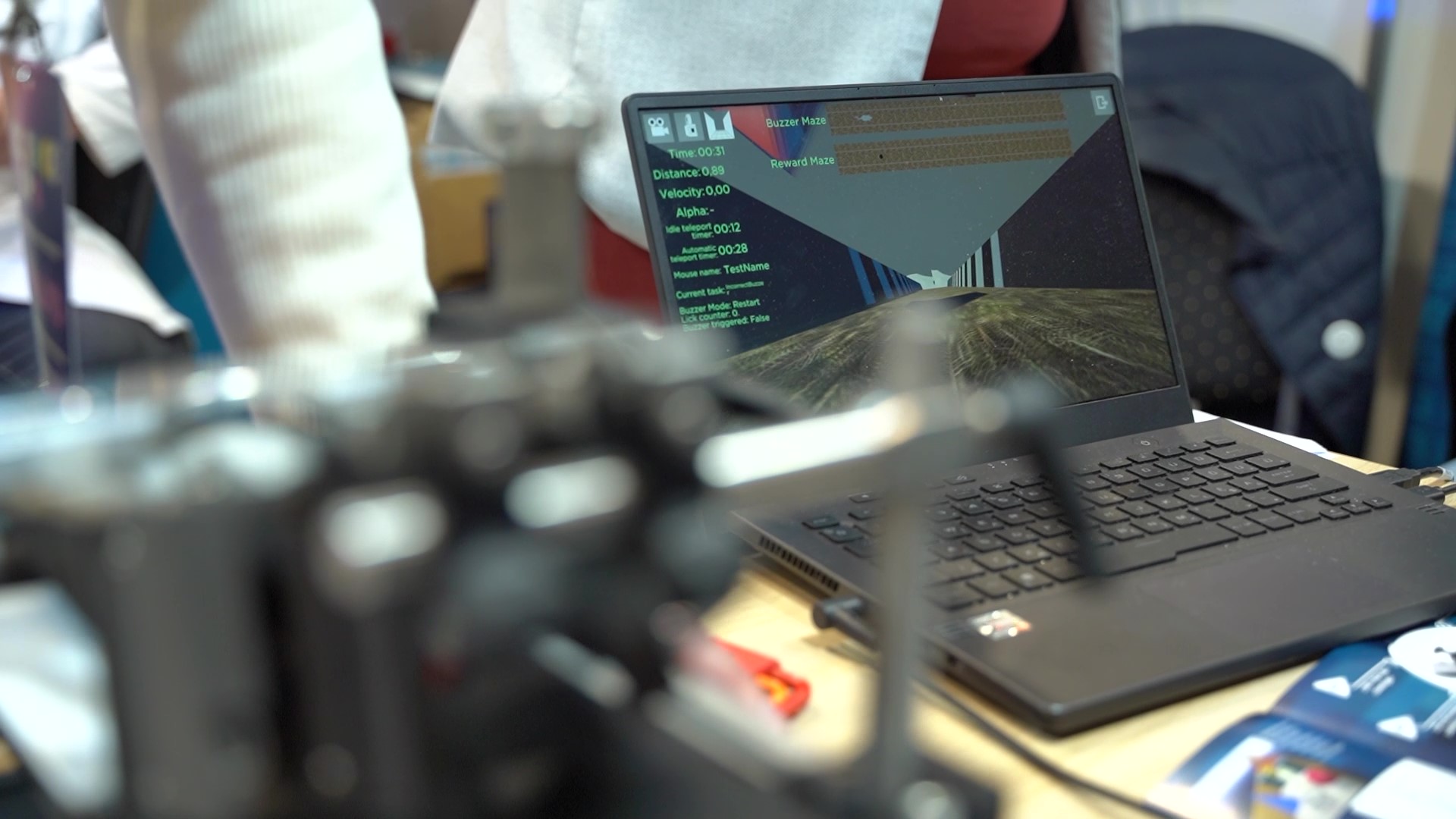
Regarding our paper presenting the Moculus device, the journal highlights the following: one approach to studying rodent behavior involves the use of virtual reality, in which animals explore a virtual environment while walking on a treadmill. Moculus creates a virtual environment for rodents that resembles the VR goggles used by humans.

The article has received 434 citations and achieved a 5-year impact factor of 49.

Click HERE for the full article.

Botond Roska and the BrainVision Center, working to cure blindness

A long article has appeared on Index about Botond Roska and Balázs Rózsa, as well as the BVC they founded. It discusses exciting isues, as vision restoration, the globally unique brain research taking place in our institute, and the revolutionary new equipment required for this work, which is used at Harvard, Yale, Oxford, and nearly 200 other top universities and research institutes around the world.
Go to the original article: https://index.hu/gazdasag/2025/11/17/roska-botond-vaksag-gyogyitas-latas-egeszsegugy-nobel-dij-palkovics-laszlo/

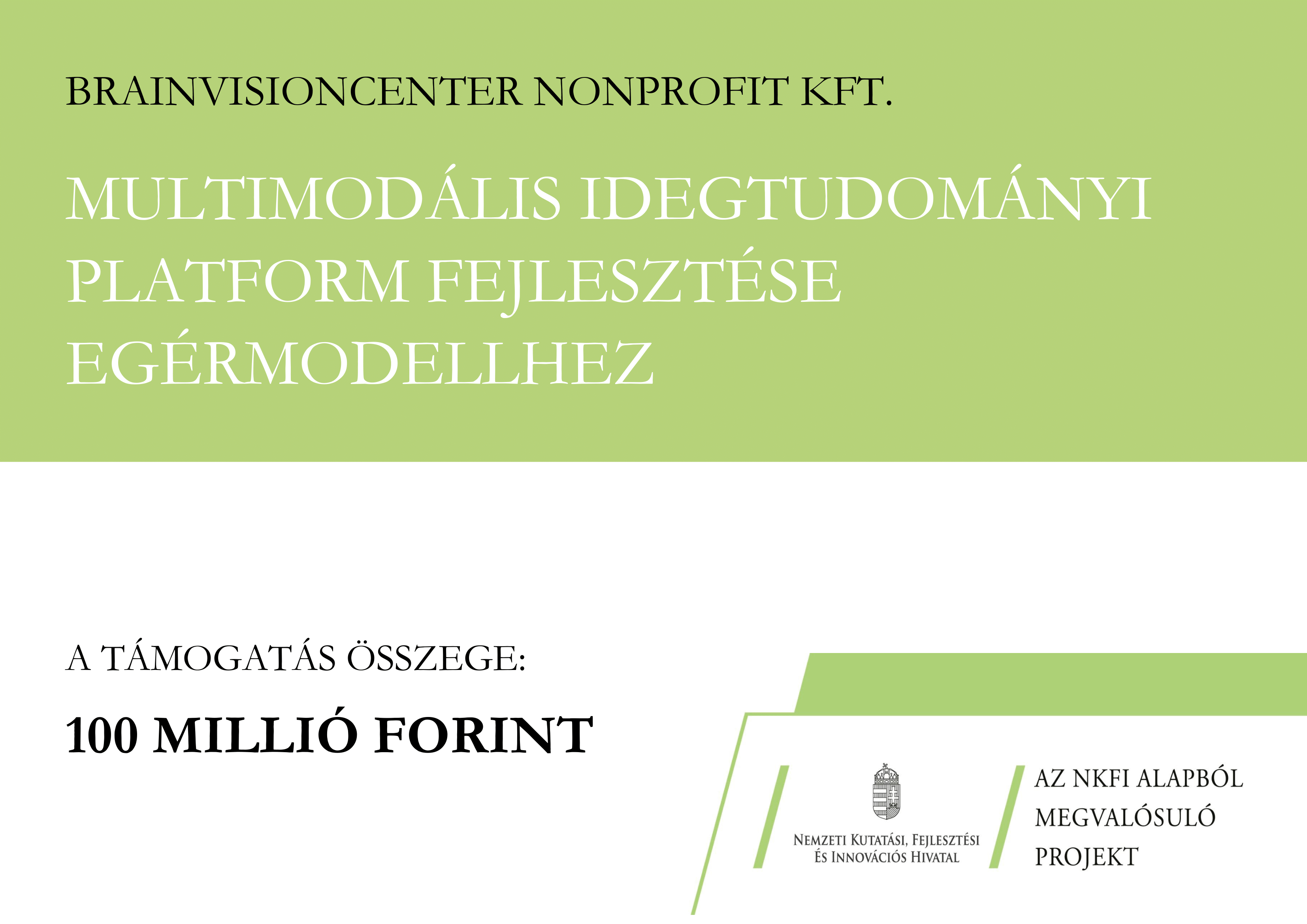
2025-3.1.1-ED-2025-0002 Application subpage

Project ID No: 2025-3.1.1-ED-2025-0002

Project title: 
Development of a multimodal neuroscience platform for a mouse model: targeted neuronal labeling, cell type–specific learning mechanisms, realistic MoculusVR environment, and freely moving two-photon imaging integrated into complex behavioral paradigms.

Short summary of the project:

The aim of the project is to develop new tools that will help us understand in greater detail how the brain works during learning, perception, and behavior. Part of this involves further developing a special virtual reality (VR) system called Moculus, which we designed specifically for mice. This system allows animals to move in a true three-dimensional (3D) environment, which is essential for them to learn and navigate naturally. The goal is for this system to more accurately mimic the natural vision of mice, while becoming an easy-to-use, multi-instance device that can be used by international research groups.

In parallel, another line of research is investigating the neural basis of learning. We are paying particular attention to a special type of cell, VIP interneurons, which play a role in how sensory information is transformed in the brain when, for example, the rules of reward change. For such studies, we perform targeted genetic modification using special viral vectors (AAVs), which allow us to make individual nerve cells visible or controllable by light.

The third pillar of the project is the development of a new robotic arm optical system that allows us to perform two-photon imaging on mice even when they are moving freely. This is a breakthrough because it allows us to observe brain function under much more natural conditions. In addition to developing the system, we also aim to launch a domestic scientific collaboration to help introduce the new technology and ensure the physiological validity of the measurements.

Project implementation period: 2025.07.01 – 2025.10.31

Project budget: 100.000.000 Ft

Project aid intensity: 100%

Project location:
1094 Budapest, Liliom u. 43.
1094 Budapest, Tűzoltó u. 59.
7673 Kővágószőlős 524/1.

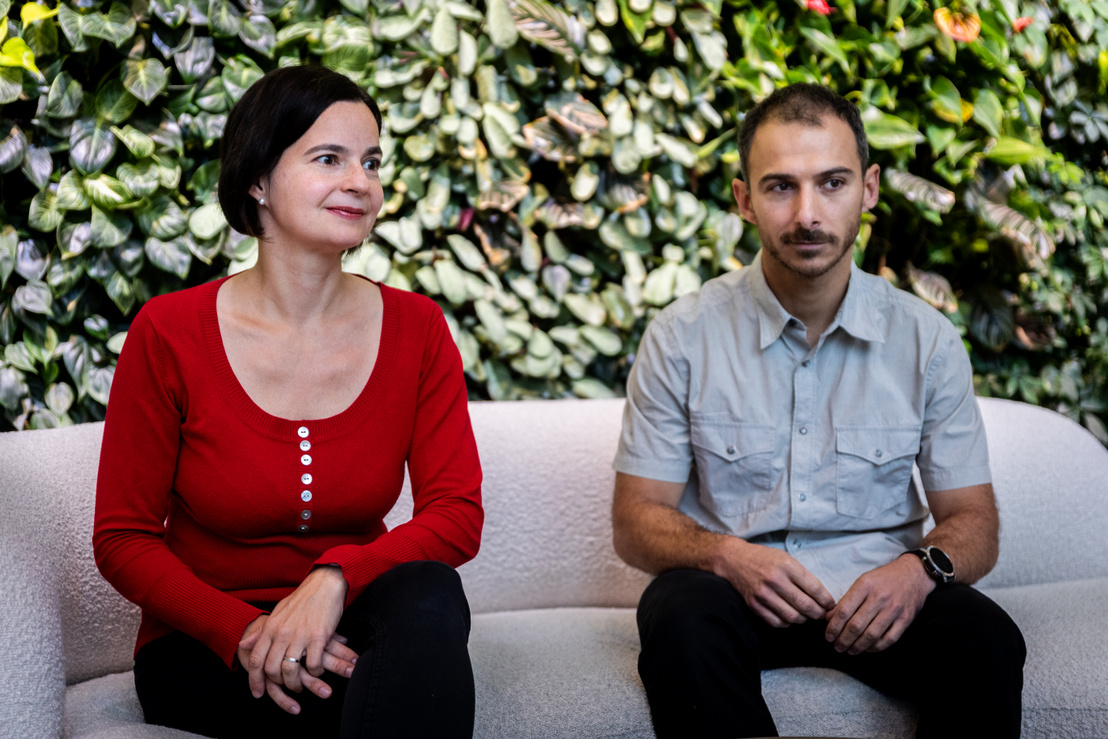
A well-known Hungarian researcher couple returns from Norway to Join the BrainVisionCenter

We are proud to announce that Dr. Nóra Lenkey (researcher-physician) and Máté Neubrandt (biologist) have returned to Hungary after seven years in Norway to continue their careers with us.

They studied brain function at an international research laboratory at the University of Oslo. Now, at the BrainVisionCenter, they will continue their work and contribute to developing technologies that could radically transform the treatment of certain brain disorders. Click HERE for the full article.

Balázs Rózsa in Chongqing: Presenting BVC Innovations and Professional Meetings

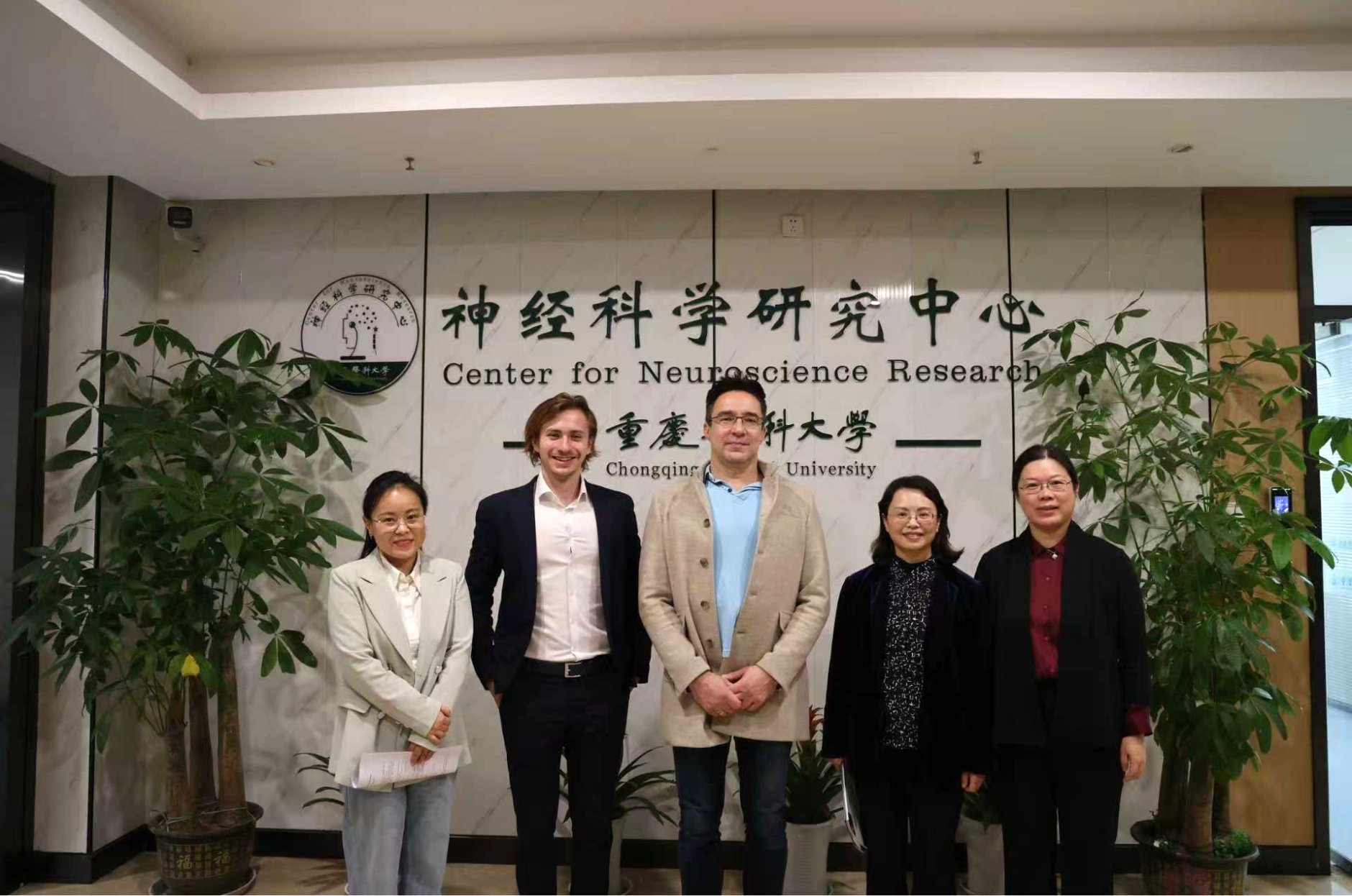
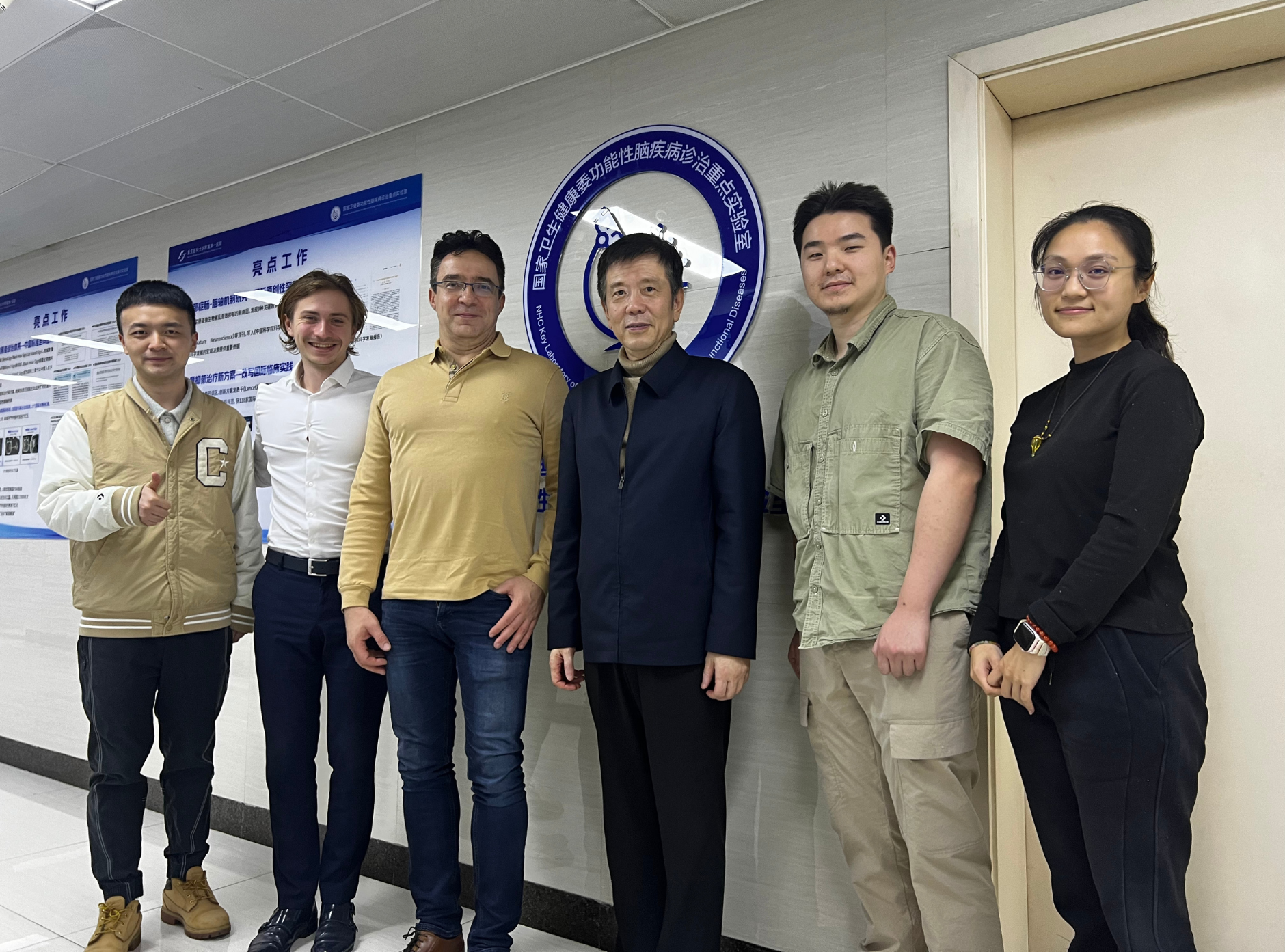
Balázs Rózsa, founder and scientific director of the BrainVision Center, visited Chongqing, one of China’s most populous cities. During our trip, we met with several institutes specializing in neurology and brain research, where we presented the latest BVC developments.

Rózsa delivered a lecture to an audience of several hundred, highlighting our newest results and technologies. During the visit, he also met with Ferenc Krausz and Ambassador Máté Pesti.