The secrets of the brain are revealed in this episode of NewTechtalk, featuring Dr. Balázs Rózsa

In the latest episode of NewTechtalk – Science and Technology, Professor Dr. Balázs Rózsa, founder and director of the BrainVisionCenter Research Institute and Competence Center, shared his insights. During the interview, he discussed his personal and professional journey, explaining how his work at the intersection of neuroscience, medicine, and physics inspired him to establish his own research institute.

The discussion explored how knowledge from different scientific disciplines can be integrated in practice, the challenges presented by this interdisciplinary approach, and the scientific breakthroughs achieved by the institute thus far. A key focus was the restoration of vision, a field in which our neurophotonics technologies and brain imaging systems are opening up entirely new possibilities. The interview also highlighted the revolutionary potential of fast 3D two-photon imaging and the role of artificial intelligence and big data in scientific research. It explored how these tools may contribute to the development of new therapeutic options for conditions such as depression, dementia, and epilepsy.

Listen to the full episode: https://podcast.hu/podcast/newtechtalk/37617
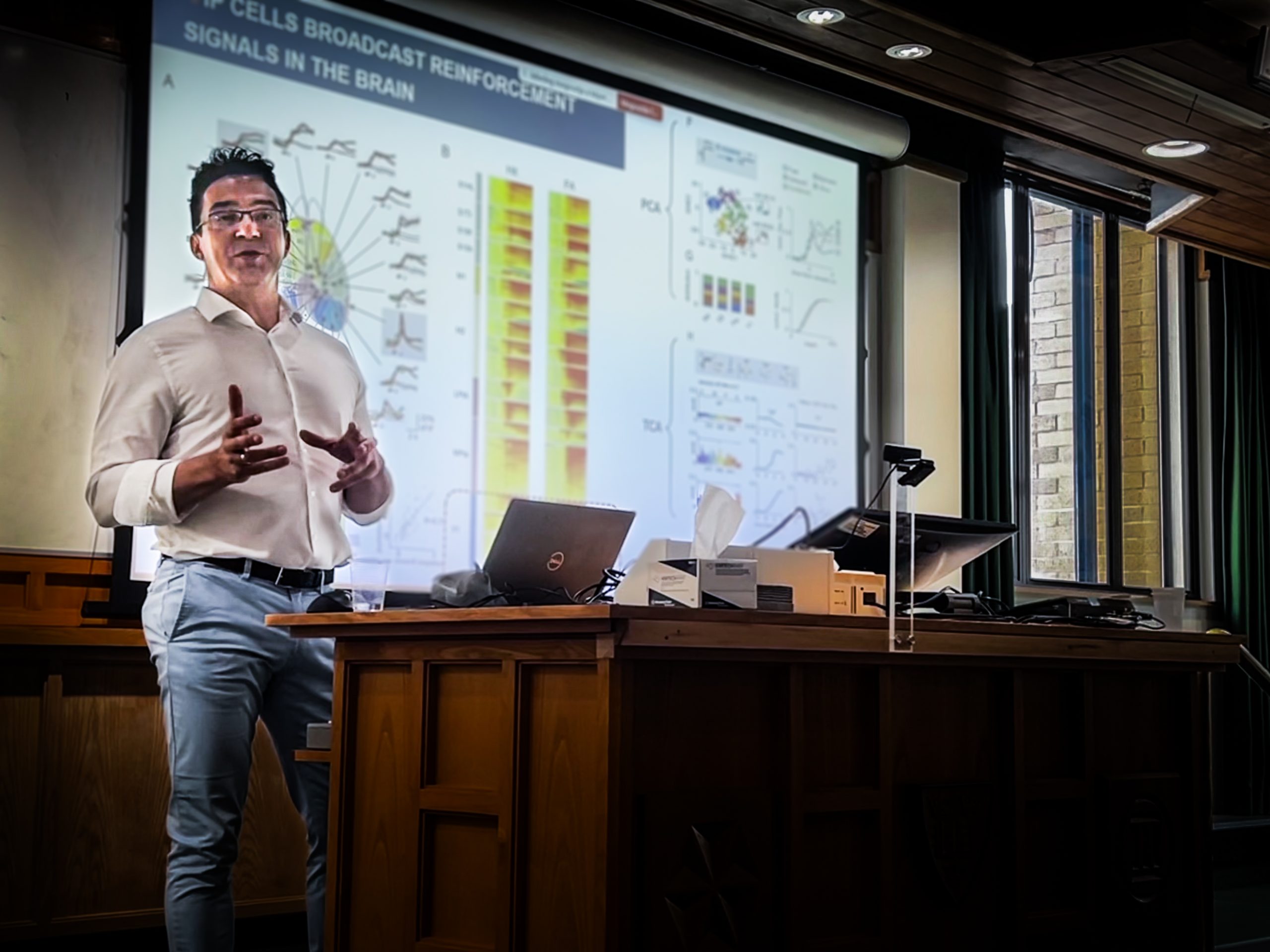
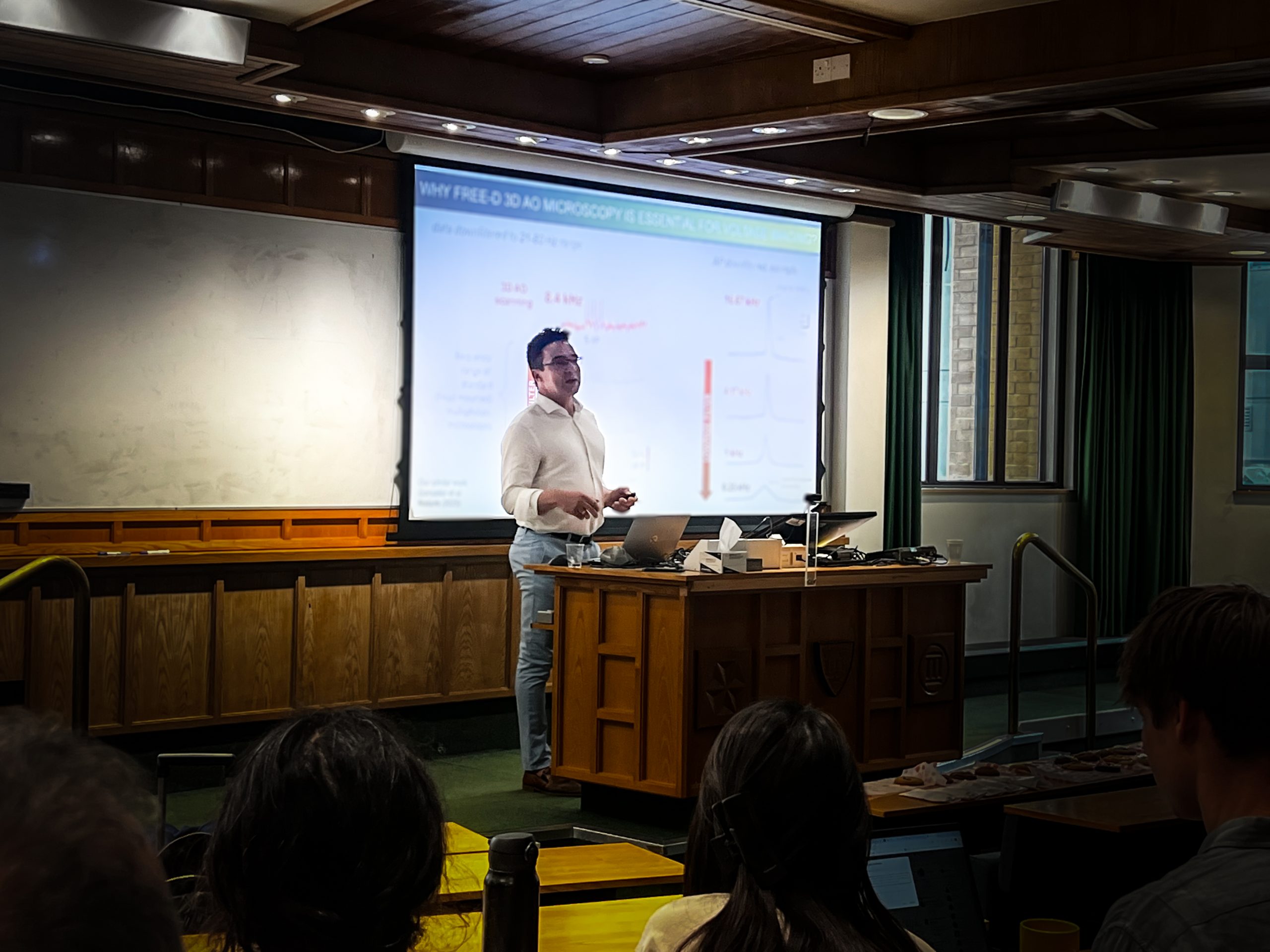
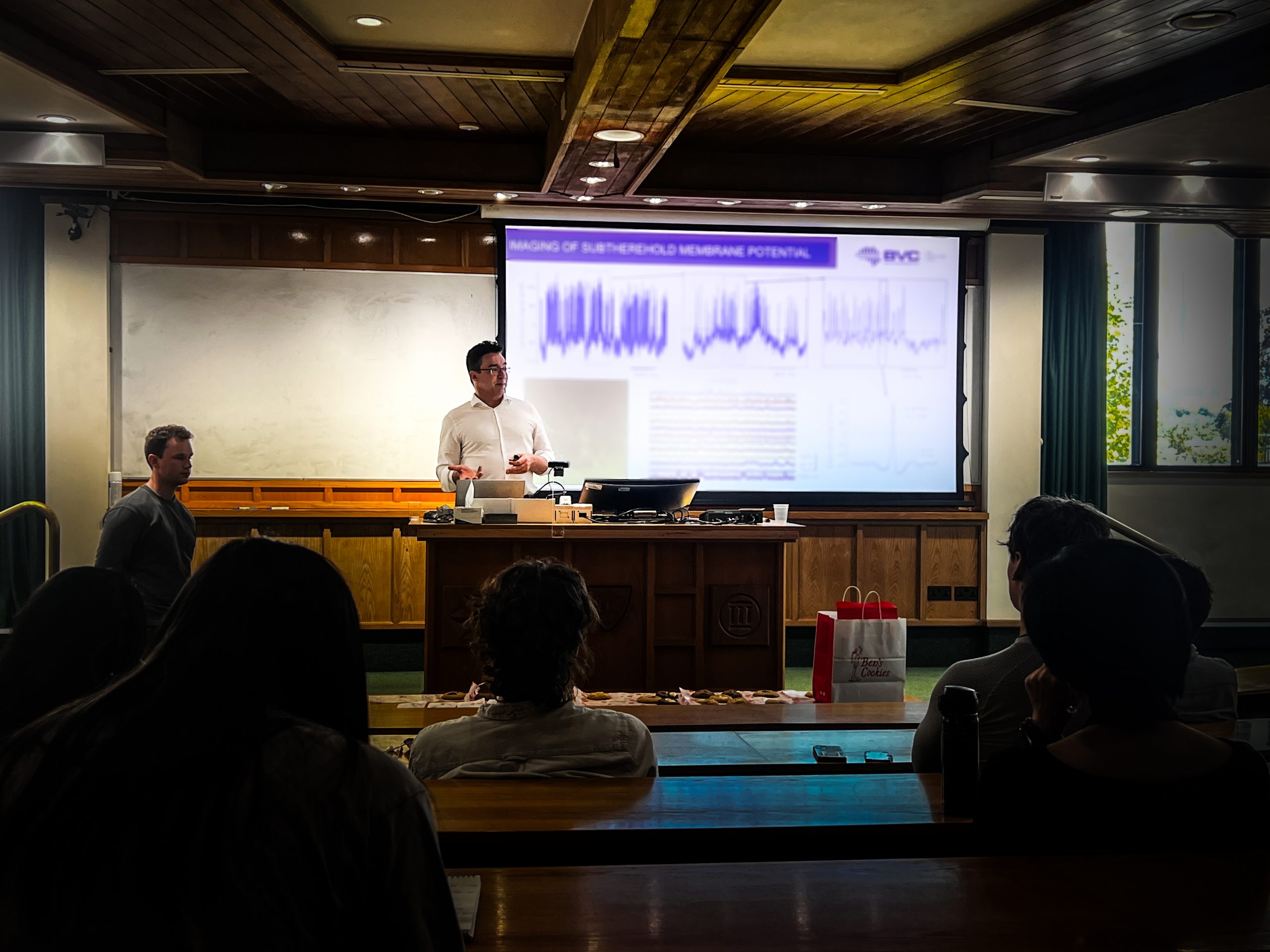
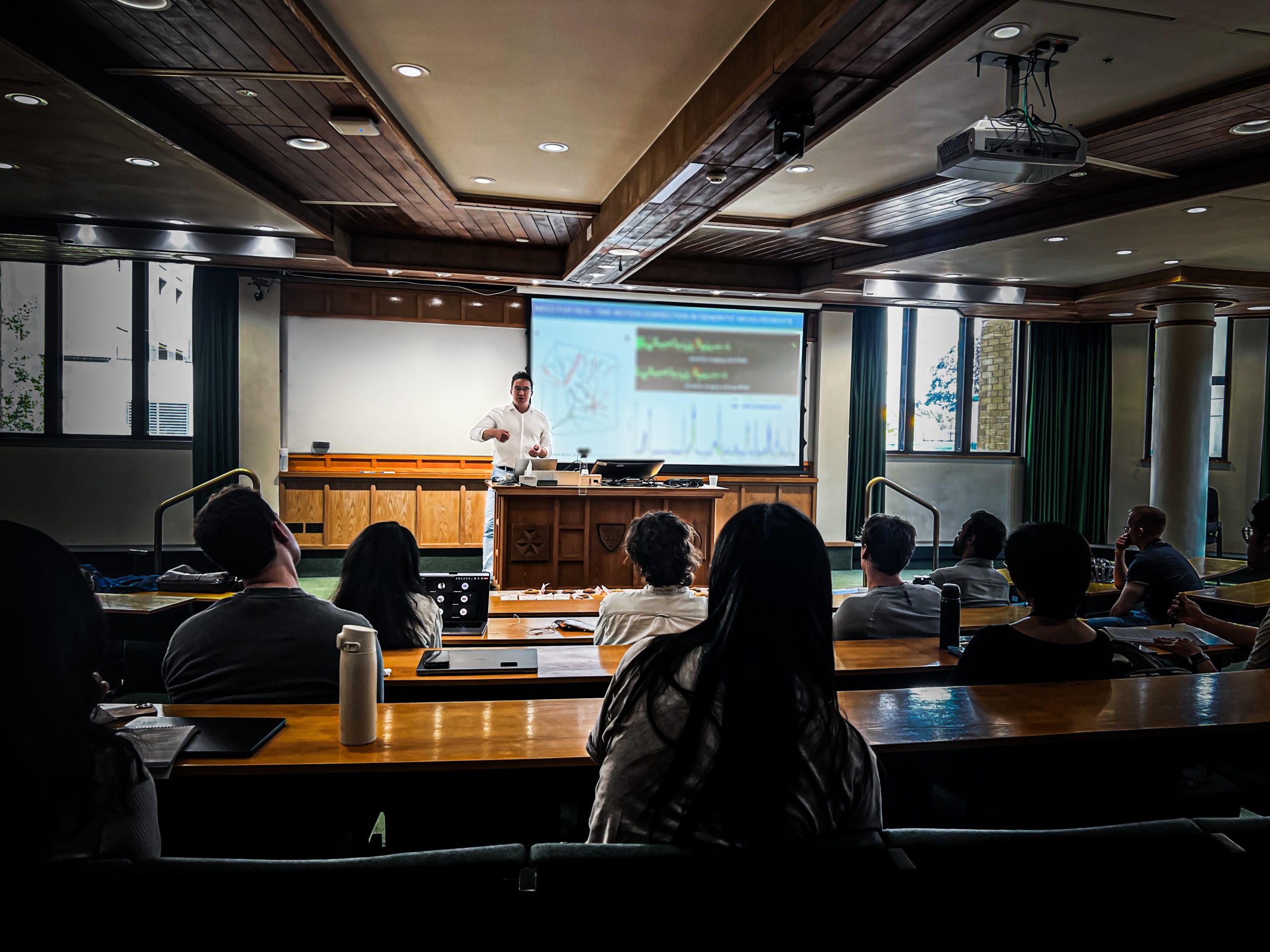
Prof. Dr. Balázs Rózsa’s lecture at Oxford’s Cortex Club, a prestigious forum that has also hosted Nobel laureates

We are proud to announce that Prof. Dr. Balázs Rózsa, Director of the BrainVisionCenter Research Institute, has been invited to present his groundbreaking discoveries at the world-renowned Cortex Club at the University of Oxford — an exclusive scientific community where numerous Nobel Prize winners and leading researchers shaping the future of neuroscience have presented their work.

For us, this is not only professional recognition, but also tangible affirmation that our work belongs at the forefront of scientific thought. Other notable figures associated with the Cortex Club include Nobel Laureate biophysicist Erwin Neher, Brain Prize winner Wolfram Schultz, and Gero Miesenböck, one of the pioneers of optogenetics.

In his lecture, Prof. Dr. Balázs Rózsa introduced three revolutionary technological innovations that could open a new era in brain research:

  • Real-time 3D brain imaging in preclinical research, paving the way for the development of new diagnostic and therapeutic procedures.
  • Secondly, genetically encoded voltage indicators capable of showing neuronal activity in real time at the cellular level, bringing breakthroughs in fields such as epilepsy research and drug development targeting the central nervous system.
  • A virtual reality system that enables scientists to study brain function during natural behaviour, providing far more accurate and realistic insights than ever before.

This prestigious invitation is a major success not only for our institute, but also for the entire Hungarian scientific community. It demonstrates that world-class research can be conducted in Hungary — research that captures the attention of the global scientific community.